Char Dham Yatra: Importance and Significance in Hindu Culture
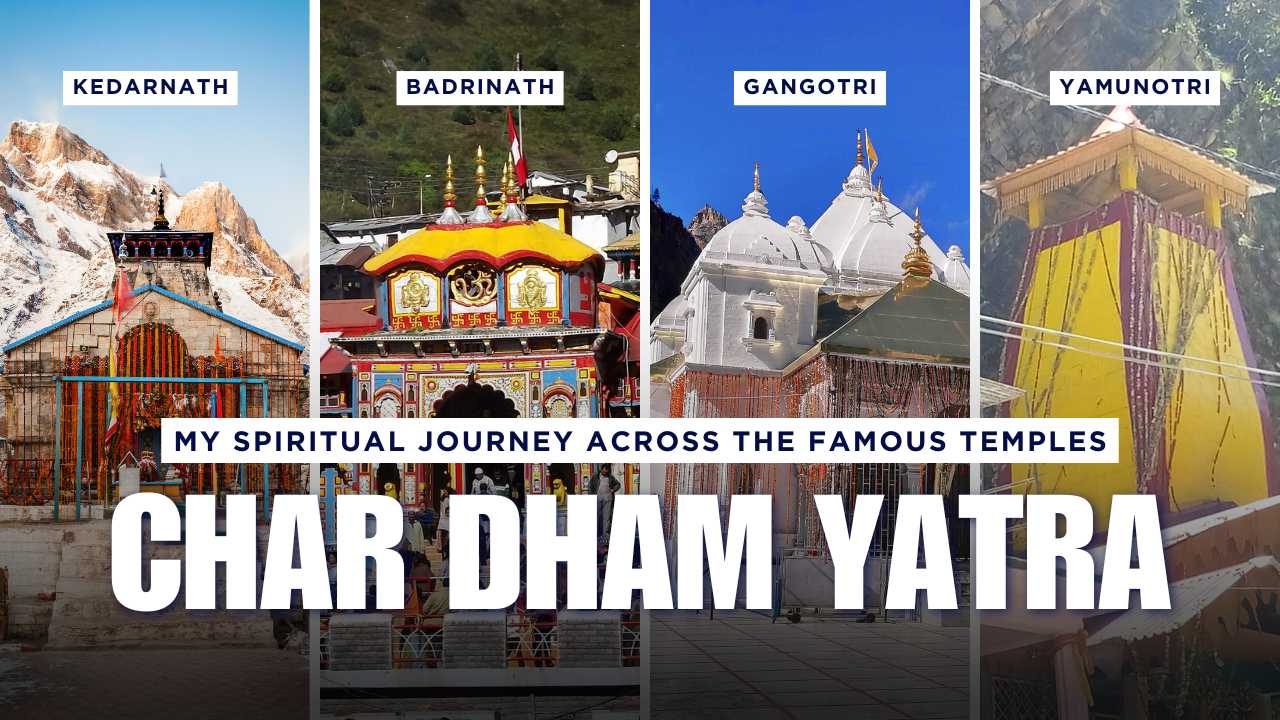
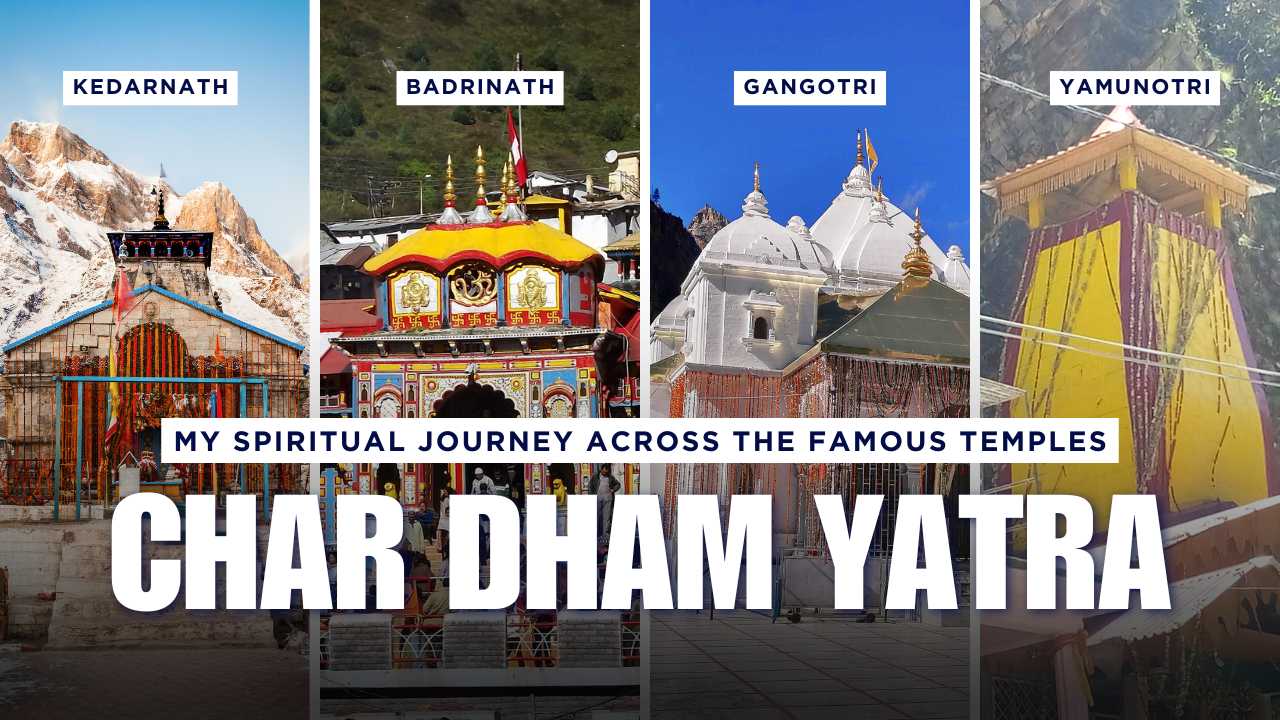
Char Dham Yatra occupies a central place in Hindu devotional life. The four shrinesu2014Yamunotri, Gangotri, Kedarnath and Badrinathu2014are more than sacred destinations: they are nodes in a living tradition that blends mythology, ritual, social ties and personal transformation. This comprehensive guide for Char Dham Yatra 2026 explores the cultural, historical and spiritual significance of the circuit and offers practical advice for Indian pilgrims preparing for the journey.
Introduction: More than a Pilgrimage
At its heart, the Char Dham Yatra is a religious circuit that has shaped Hindu cultural practice for centuries. Completing the Char Dham is often seen as a life milestone. The journey is valued not only for the darshan of deities but for the intense devotional atmosphere, communal solidarity and the ritual continuity it sustains across generations.

Historical Roots and Cultural Evolution
The idea of a four-shrine circuit in the Garhwal Himalaya crystallised over time. While river and mountain worship are ancient in India, organized circuits gained momentum through medieval bhakti movements, royal patronage and later by regional temple trusts. Over centuries the Char Dham evolved from isolated shrines into an integrated pilgrimage route that binds communities across the plains and the hills.
Mythology: The Stories That Give Meaning
Each dham carries layered mythology which informs its spiritual role:
- Yamunotri — associated with the goddess Yamuna, invoked for healing and keeping vows.
- Gangotri — the earthly origin of Ganga; a place of purification and penance, tied to the story of King Bhagiratha and Shiva.
- Kedarnath — linked to Shiva and the Pandavas; a centre for penance and forgiveness.
- Badrinath — dedicated to Vishnu; a temple of dharma and settled worship in a high valley.
These myths are not mere tales. They encode moral lessons, social values and ritual practices that devotees still enact today.
Spiritual Significance: Why Devotees Undertake the Yatra
Pilgrims undertake the Char Dham Yatra for many overlapping reasons:
- Moksha and Merit: Traditional texts associate pilgrimage with spiritual merit and progress on the path to liberation.
- Vows and Gratitude: Many pilgrims make or fulfil vows, seeking blessings for health, family and prosperity.
- Ritual Continuity: Performing rites at these shrines connects individuals with ancestral practices.
- Communal and Social: Joint family pilgrimages reinforce social bonds and cultural identity.

Ritual Practices and Temple Life
Each dham sustains a set of rituals that shape the pilgrim experience. Morning aartis, distribution of prasad, ancestral rites and specific mantras create a shared liturgy. Temple priests, local communities and pilgrims collaborate to keep these practices alive, often adapting them in response to practical needs such as changing weather or infrastructure.
Social and Economic Impact
The Char Dham circuit also has tangible social effects. Pilgrimage supports local economiesu2014lodging, guides, transport and small businesses. Seasonal pilgrim flows sustain employment in remote valleys. Moreover, the yatra fosters care networks: locals often host pilgrims, and collective rituals maintain social cohesion within mountain villages.
Why Char Dham Remains Relevant Today
- Continuity: Rituals handed down across generations keep cultural memory intact.
- Adaptation: Modern transport and regulated tourism make the yatra accessible while temple boards and state agencies manage safety and preservation.
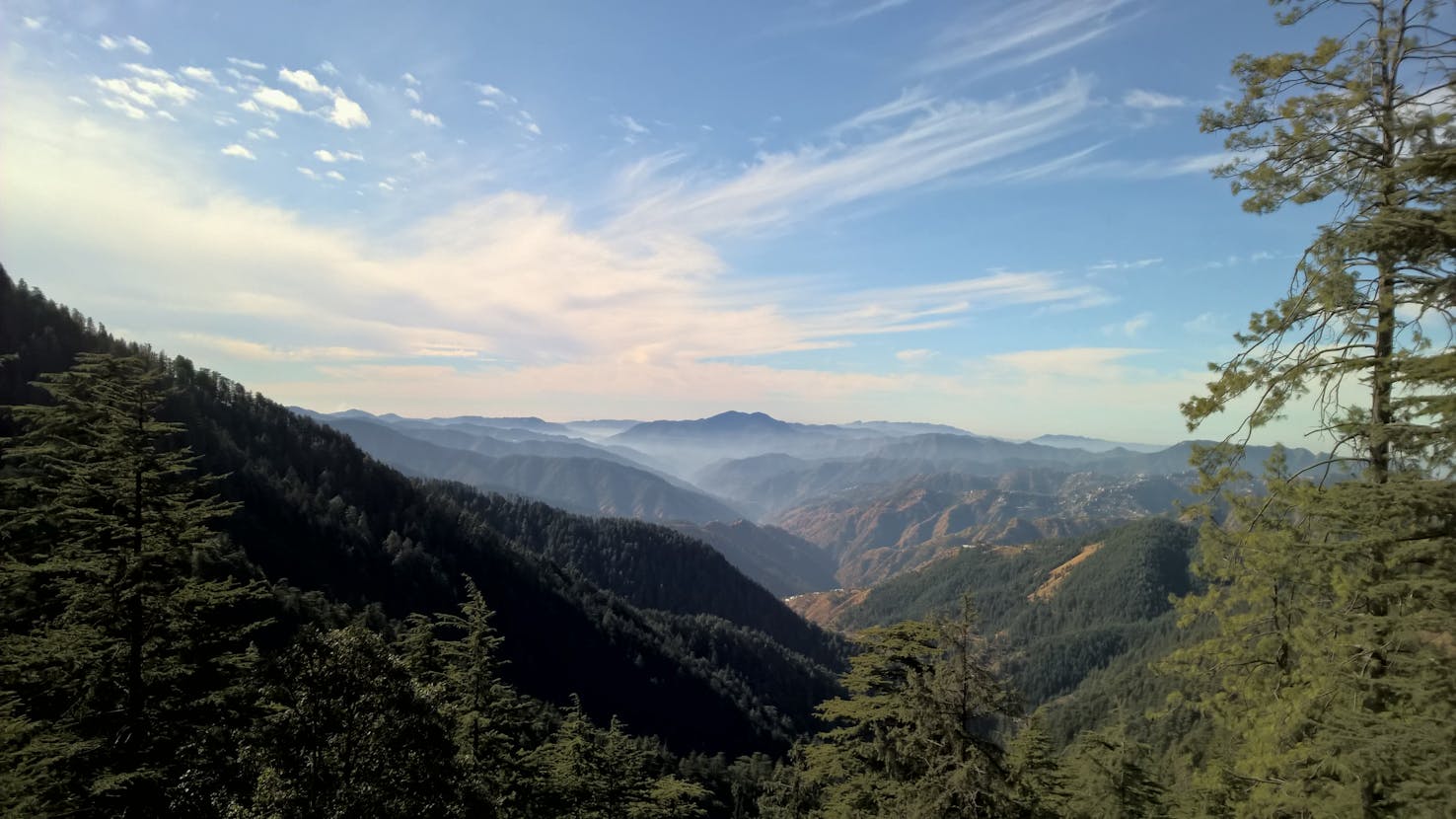
- Experience: The combination of nature, silence and ritual provides contemporary pilgrims a space for reflection often absent in daily life.
Practical Guide for Pilgrims: Planning Char Dham Yatra 2026
Spiritual aims are best served when practical details are taken care of. A short checklist helps:
- Book travel and stays early; popular months are Mayu2013June and September.
- Carry government ID, basic medicines, and layered clothing for mountain weather.
- Respect temple rules: remove footwear at sanctums, follow queue etiquette and ask permission for photography where required.
- Consider guided packages for logistics; see curated options such as tours & packages.

Itinerary Snapshot (8u201312 Days)
- Day 1: Arrive Haridwar/Rishikesh, Ganga aarti.
- Day 2: Travel to Barkot/Uttarkashi (approach to Yamunotri/Gangotri).
- Day 3: Yamunotri visit; return to base.
- Day 4: Gangotri pilgrimage; overnight Uttarkashi.
- Day 5u20136: Travel toward Guptkashi/Phata; prepare for Kedarnath.
- Day 7: Kedarnath darshan (trek or helicopter), return to base.
- Day 8: Joshimath to Badrinath; darshan and Mana village visit.
- Return: Travel back to Haridwar with time for final reflection.
Frequently Asked Questions
Q: Is Char Dham Yatra strictly religious or can non-Hindus visit?
A: The Char Dham Yatra is open to all who seek the experience. While rituals are rooted in Hindu practice, the circuit is also valued for culture, nature and reflection.
Q: What is the best time to undertake the yatra?
A: May to October is the practical window. Avoid the heavy monsoon months if possible or travel with experienced operators during that time.
Q: Are there health concerns for elderly pilgrims?
A: Some legs involve high altitude and trekking. Helicopter services and paced itineraries can make the pilgrimage accessible to elders with basic precautions and prior medical consultation.
Q: How can I make my yatra more meaningful?
A: Set an intention, learn a few local rituals, keep a journal, and travel with respect for local customs. Small acts of service and mindful presence deepen the experience.
Conclusion: A Cultural Thread that Binds
The Char Dham Yatra is a cultural artery of Hindu life. It weaves mythology, ritual practice, community economy and personal transformation into a single pilgrimage thread. For Indian pilgrims in 2026 and beyond, the circuit remains vital: it preserves sacred stories, supports mountain communities and offers each traveller an opportunity for renewal. Prepare practically, travel respectfully and let the mountains and rivers guide your devotion.
For official information and travel assistance consult Uttarakhand tourism and trusted service providers: uttarakhandtourism.gov.in, badrinath-kedarnath.gov.in, and curated packages at Ishta Devta Tourism.