Dodital Winter Trek: Snow-Covered Himalayan Lake
The Dodital Trek is enchanting at any time of the year, but its allure intensifies dramatically during winter. Imagine walking through snow-laden forests, with giant snowflakes drifting down, leading to a pristine, often frozen, high-altitude lake. The Dodital Winter Trek offers just that: a magical journey to the mystical Dodital Lake (around 3,307 meters or 10,850 feet), nestled in the heart of the Uttarkashi district. Known as the birthplace of Lord Ganesha, and home to the rare Himalayan golden trout, the lake and its surroundings transform into a serene white wonderland during the colder months.
This moderate-level trek is perfect for those seeking a tranquil winter adventure away from the crowds, offering stunning views of snow-capped peaks and the opportunity to experience the Himalayan winter charm firsthand. As of 2025, it remains a less-explored but equally rewarding winter destination.
Highlights of the Dodital Winter Trek
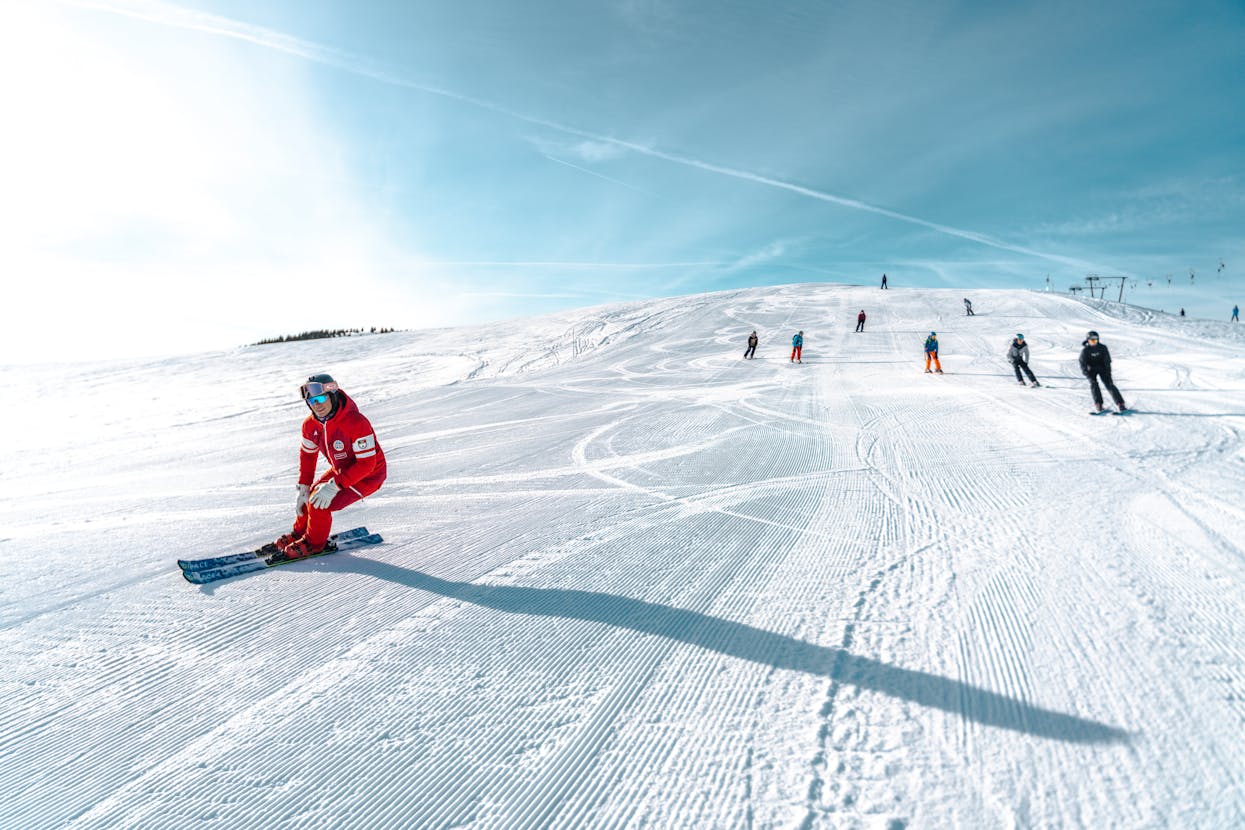
- Snow-Covered Landscapes: Trek through pristine snow, experiencing the quiet beauty of a winter forest.
- Dodital Lake: Witness the partly or fully frozen lake, a truly serene and picturesque sight.
- Darwa Top: An optional ascent to Darwa Top (around 4,150 meters or 13,600 feet) offers panoramic views of Bandarpoonch, Swargarohini, and other Gangotri peaks, often covered in deep snow.
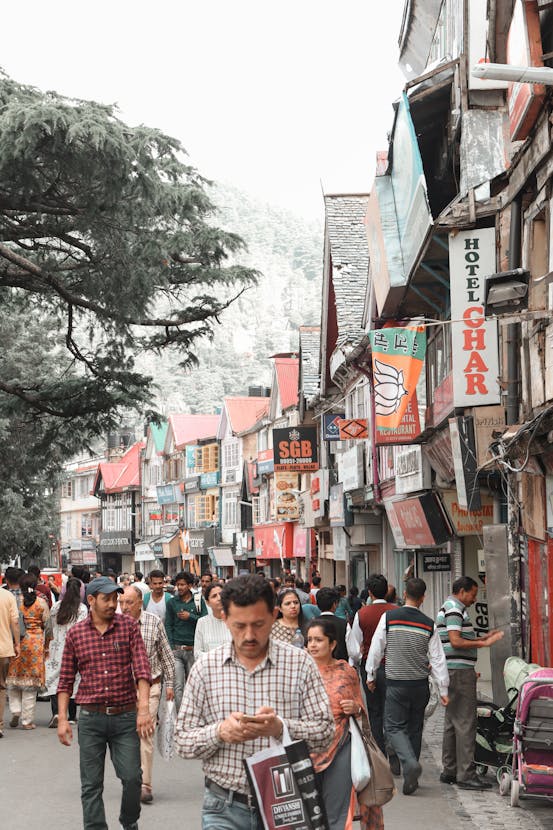
- Local Villages: Pass through charming villages like Agoda and Bebra, experiencing the local Garhwali winter life.
- Golden Trout: Spot the unique golden trout in the lake (though harder in winter due to ice).
Trek Itinerary & Considerations for Winter
The Dodital trek usually starts from Sangamchatti, near Uttarkashi, and takes about 5-6 days. In winter, careful planning and proper gear are paramount.
- Difficulty: Moderate, but challenging in winter due to snow, ice, and colder temperatures.
- Best Winter Months: December to February, when snowfall is prominent.
- Permits: Usually required for entering the Govind Pashu Vihar National Park area.
Tips for a Successful Dodital Winter Trek 2025
- Layered Clothing: Essential for varying temperatures. Include thermal wear, waterproof outer layers, and warm down jackets.
- Waterproof Boots & Gaiters: Crucial for navigating snow and slush.
- Snow Gear: Microspikes or crampons might be necessary for icy patches, and trekking poles are highly recommended.
- Experienced Guide: It's advisable to go with an experienced local guide who knows winter trail conditions.
- Hydration: Stay hydrated, even if you don't feel thirsty due to the cold.
FAQs about Dodital Winter Trek
Q1: How cold does it get during the Dodital Winter Trek?
A1: Temperatures can drop to sub-zero, often ranging from $-5^circ C$ to $-15^circ C$ or even lower at night, especially at higher altitudes.
Q2: Is the lake completely frozen in winter?
A2: Yes, Dodital Lake often freezes completely during the peak winter months, creating a stunning sheet of ice.
Q3: Are there any accommodation options in winter?
A3: Basic forest rest houses or local homestays might be available in some villages like Agoda. However, camping in sturdy winter tents is the primary mode of accommodation near Dodital itself.
Q4: Is it safe for solo trekkers in winter?
A4: Solo trekking in winter is generally not recommended due to unpredictable weather, heavy snow, and potential for disorientation. It's safer to go with a group or an experienced guide.
Q5: What kind of wildlife can be spotted in winter?
A5: While many animals migrate to lower altitudes, you might still spot some winter birds and perhaps signs of Himalayan Tahr or Musk Deer if you're lucky.
Q6: Can I fish for golden trout in winter?
A6: Fishing for golden trout is generally regulated and might be challenging or impossible when the lake is frozen. Always check local regulations and obtain necessary permits for fishing.