Har Ki Dun Valley Trek: Journey to the Valley of Gods
Nestled in the remote Garhwal Himalayas of Uttarkashi district, the Har Ki Dun Valley Trek is a captivating journey to a cradle-shaped valley, often referred to as the "Valley of Gods." This trek is renowned not just for its breathtaking landscapes but also for its rich cultural heritage, with ancient villages like Osla preserving age-old traditions and architecture. As of 2025, it remains one of Uttarakhand's most popular moderate-level treks, suitable for both beginners and experienced trekkers.
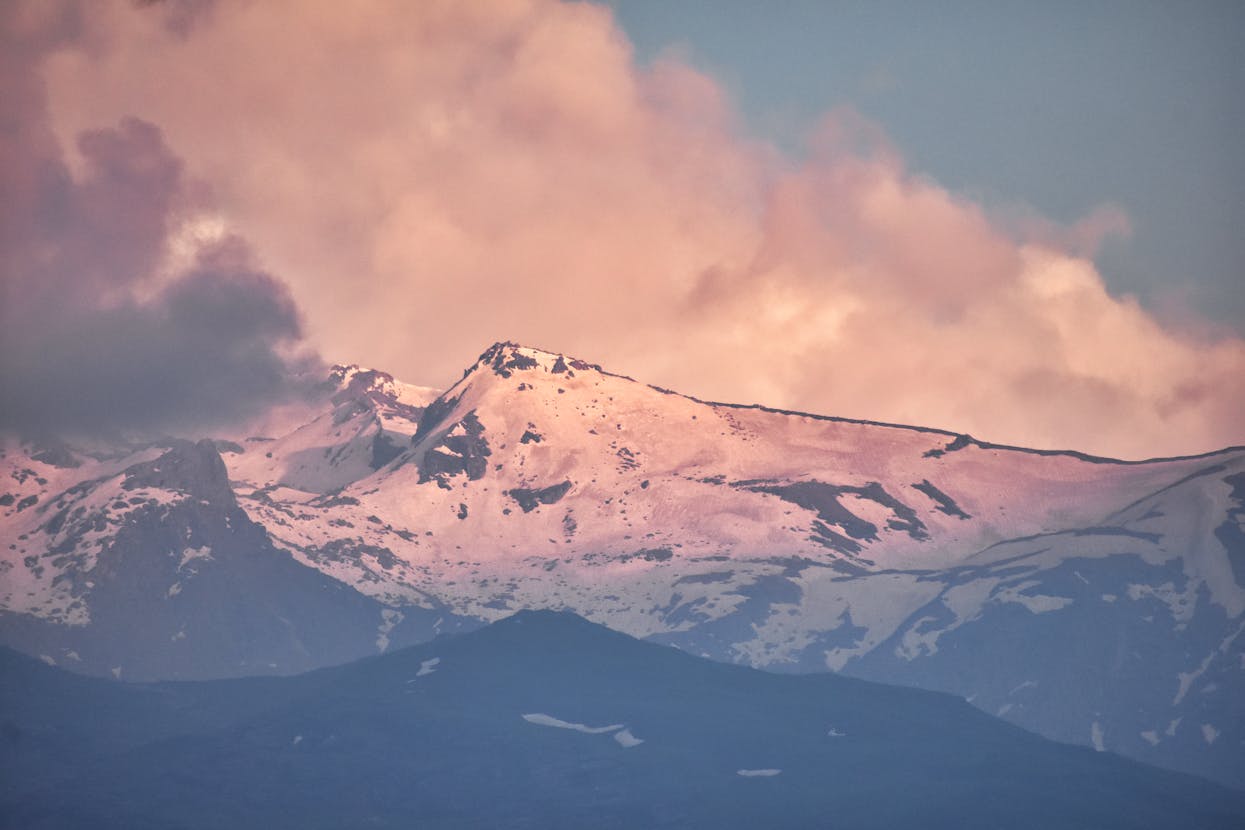
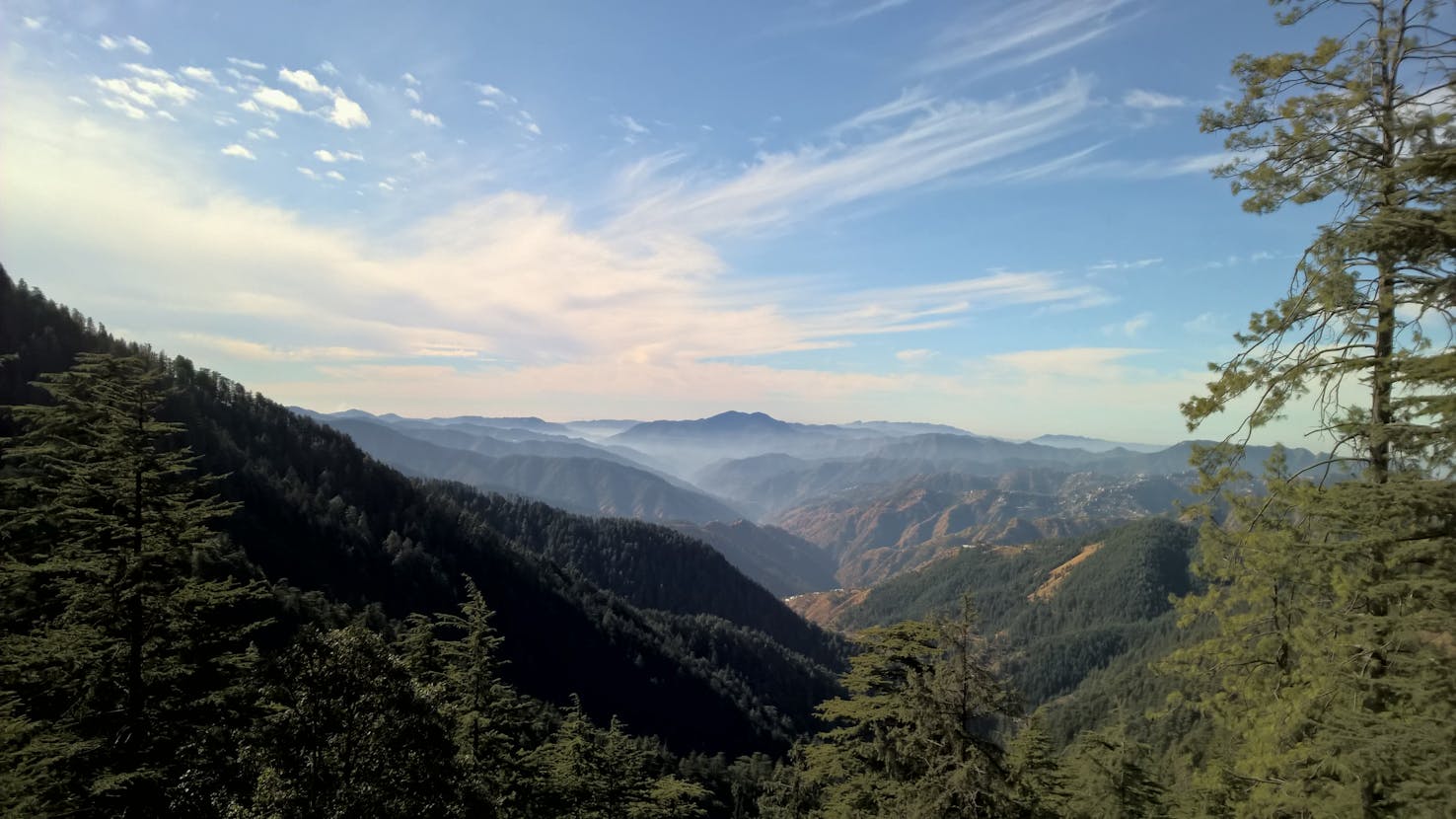
The trail offers a diverse experience, winding through dense pine and deodar forests, sprawling meadows (bugyals), and alongside the gushing Supin River. The majestic views of snow-capped peaks, including the iconic Swargarohini, Bandarpoonch, and Black Peak, accompany you throughout the journey.
Har Ki Dun Trek Itinerary & Difficulty
The Har Ki Dun trek is typically a 7-day itinerary (Dehradun to Dehradun). The difficulty level is rated as moderate. While the ascents are mostly gradual, the longer distances covered each day (often 8-12 km) require good physical stamina. Beginners with a reasonable fitness level and prior preparation can successfully complete this trek.
- Day 1: Dehradun to Sankri (Base Camp): A scenic drive to the charming village of Sankri.
- Day 2: Sankri to Taluka (drive) & Trek to Seema/Cheludgad: Drive to Taluka, then a gentle trek along the Supin River.
- Day 3: Seema/Cheludgad to Kalkattiyadhar: A moderate ascent through beautiful forests and clearings.
- Day 4: Kalkattiyadhar to Har Ki Dun Valley: The highlight day, reaching the picturesque valley with stunning views.
- Day 5: Exploration Day / Return to Kalkattiyadhar: Explore around Har Ki Dun or trek back. Many extend to Marinda Tal.
- Day 6: Kalkattiyadhar to Seema/Cheludgad or Osla: Descend back.
- Day 7: Seema/Cheludgad to Taluka (trek) & Drive to Sankri & Dehradun: Complete the trek and return journey.
Why Choose Har Ki Dun?
- Cultural Immersion: Visit ancient villages like Osla with their unique wooden architecture and local traditions.
- Diverse Landscapes: From dense forests and river trails to alpine meadows and snow-capped peaks.
- Mythological Significance: Believed to be the path taken by the Pandavas to heaven.
- Wildlife Spotting: Opportunity to spot Himalayan Monal, barking deer, and other local wildlife.
FAQs about Har Ki Dun Trek
Q1: What is the best time to do the Har Ki Dun trek?
A1: The best times are May-June (Spring/Early Summer for blooming flowers and lush greenery) and September-October (Post-Monsoon for clear skies and vibrant autumn colors).
Q2: Is it suitable for beginners?
A2: Yes, with proper physical preparation and guidance, beginners can undertake this moderate trek.
Q3: Are there guesthouses or only camping on the trek?
A3: In Sankri, guesthouses are available. On the trek route, especially beyond Taluka, it's primarily camping, though some villages like Osla might offer basic homestay options.
Q4: What permits are needed for Har Ki Dun?
A4: Permits are required for entering Govind National Park, which can usually be obtained at the entry points or arranged by your trek operator.
Q5: Is mobile connectivity available during the trek?
A5: Mobile network is generally available in Sankri, but it becomes sporadic or non-existent once you start trekking deeper into the valley.
Q6: What kind of fitness level is required?
A6: A moderate fitness level is advised. Regular cardio exercises like jogging, cycling, or brisk walking for 3-4 weeks before the trek can significantly help. You should be able to comfortably walk 5-7 km daily with a light backpack.