Best Starting Point: Haridwar vs Rishikesh vs Dehradun
Planning the Char Dham Yatra 2026? Choosing where to begin determines your travel flow, spiritual rhythm, and practical logistics. This guide compares Haridwar, Rishikesh, and Dehradun as starting points for Indian pilgrims. It blends spiritual insight, practical travel advice, route maps, and season tips to help you pick the best departure city for your Char Dham pilgrimage.
Why the starting point matters
Starting city affects travel time, acclimatisation, cost, and the sequence of shrines visited. Some pilgrims prefer a calm river beginning, others prefer quick rail connections or a gateway city with more services. Consider your health, travel companions, budget, and whether you value ceremony or speed.
Quick snapshot: Haridwar vs Rishikesh vs Dehradun
- Haridwar — Traditional ganga aarti, direct road links to Badrinath and Kedarnath circuits, established pilgrimage facilities.
- Rishikesh — Spiritual energy, yoga background, slightly closer to Gangotri and Yamunotri by certain routes, good for acclimatisation and river rituals.
- Dehradun — Airport and rail connectivity, calm suburban start, shorter access to mountain highways for some Char Dham itineraries.

Detailed comparison
1. Haridwar — the traditional, ceremonial start
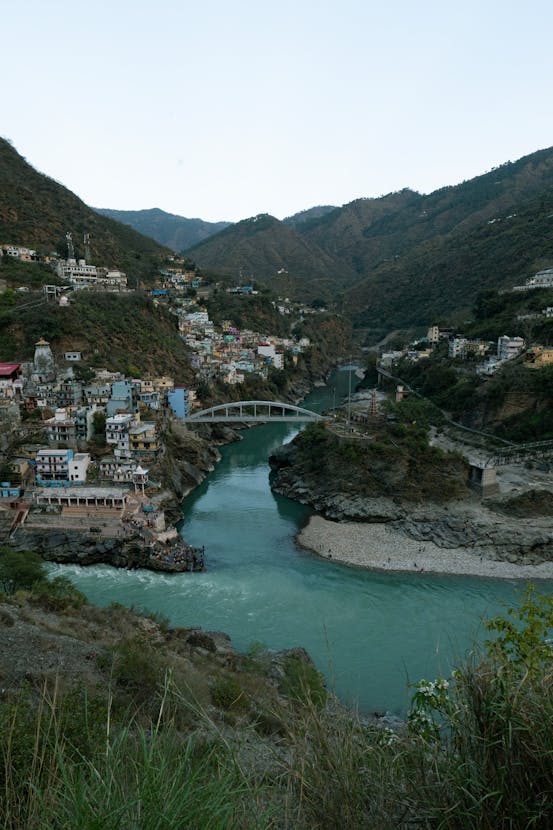
Haridwar is often the natural first stop for Char Dham pilgrims. The city hosts grand Ganga aarti at Har Ki Pauri and many prefer to begin their yatra with a ceremonial dip and blessings from local priests. Haridwar has extensive accommodation, travel services, and direct road access to the highway leading to Badrinath and Kedarnath circuits.
- Pros: Strong ritual tradition, many tour operators, easy to book guides and vehicles, full service hotels, simple onward road travel.
- Cons: Can be crowded during peak season, lower elevation so less acclimatisation for mountain climbs.

2. Rishikesh — spiritual calm and yoga energy
Rishikesh is ideal for pilgrims who want a gentle, mindful start. The presence of ashrams and yoga centres helps many pilgrims prepare mentally and physically. River rituals and a few quiet ghats create a reflective launch for a pilgrimage that will move into rugged mountain roads.
- Pros: Less chaotic than Haridwar, enriched with yoga and meditation options, scenic setting, good hotels and cafes.
- Cons: Slightly fewer direct long-distance transport options than Haridwar for large vehicle fleets during peak season.

3. Dehradun — best for connectivity and convenience
Dehradun has an airport and good rail links, making it the sensible choice for pilgrims coming by air or long distance train. From Dehradun you can reach Haridwar or Rishikesh quickly, or head directly towards the mountain highways. For families and older pilgrims, Dehradun can reduce total travel time and simplify logistics.
- Pros: Airport and train station, better access to healthcare, balanced hotels, shorter road hours for some routes.
- Cons: Less of that immediate river ceremony feeling compared to Haridwar or Rishikesh.

Practical factors to weigh
- Transport connections: If you fly, Dehradun is likely easiest. If you take train, Haridwar has great railway access. Rishikesh requires a short road transfer from Haridwar station or Dehradun airport.
- Ritual preference: If a formal Ganga pradakshina and aarti is important on day one, Haridwar leads.
- Acclimatisation: For pilgrims sensitive to altitude, starting with Rishikesh or Dehradun helps prepare before ascending.
- Budget and crowding: Haridwar can be crowded and prices can rise in peak months. Rishikesh offers mid range options and a calm start, Dehradun can be cost effective for families.
- Route choice: Consider whether you will follow the classic clockwise circuit or a customised plan. Your starting city may shorten or lengthen driving legs to Yamunotri, Gangotri, Kedarnath and Badrinath.
Sample itineraries
Itinerary A — Traditional ceremonial start (Haridwar first)
- Day 1: Arrive Haridwar, attend Ganga aarti at Har Ki Pauri.
- Day 2: Haridwar to Barkot or Guptkashi depending on which shrine first.
- Days 3-12: Complete Yamunotri and Gangotri, then Kedarnath and Badrinath circuits.
Itinerary B — Mindful launch (Rishikesh first)
- Day 1: Arrive Rishikesh, practice yoga, evening prayer.
- Day 2: Drive to Uttarkashi, begin mountain approach.
- Days 3-12: Continue through the four dhams with a meditative pace.
Itinerary C — Fast logistics (Dehradun first)
- Day 1: Land at Dehradun, short transfer to Haridwar or Rishikesh as needed.
- Day 2 onward: Use Dehradun as hub for vehicles and return flights.
Packing and preparation checklist
- Valid photo ID and pilgrimage permits where required.
- Layered clothing, woolens for high altitude nights.
- Sturdy walking shoes and a light day pack.
- Basic medicines, altitude sickness tablets if advised, and a first aid kit.
- Power bank, torch, water purification tablets and dry snacks.
Health and safety tips
Carry essential medications and keep emergency contacts handy. Prefer accredited taxis and licensed guides. If you have serious medical conditions, consult a doctor before travel and consider starting from Dehradun to be near better medical facilities.
Season and timing for Char Dham 2026
The usual season for Char Dham is late April to October depending on the shrine and road openings. For 2026, watch official updates from Uttarakhand tourism and shrine authorities for exact opening dates before booking. Useful authorities include the Uttarakhand Tourism website and the Badrinath-Kedarnath shrine board.
For booking trains and special pilgrim trains, check IRCTC updates and plan early.
Useful links: Uttarakhand Tourism, Badrinath-Kedarnath Shrine Board, IRCTC.
Choosing by traveller type
- First time pilgrims: Haridwar is reassuring for ritual steps and service availability.
- Younger travellers and backpackers: Rishikesh offers a vibrant, flexible start.
- Families and seniors: Dehradun minimizes travel complexity and offers better medical access.
Internal resources and bookings
For packaged tours, hotels, and curated Char Dham itineraries you can explore packages and local accommodations through providers. See suggested packages and hotels on our travel pages and packages. For example, consider browsing tours and packages and the hotel listings to match comfort levels.
Frequently Asked Questions
Q1: Which city is best to start Char Dham Yatra in 2026?
There is no one size fits all. Haridwar is best for ritual and tradition, Rishikesh for a calm spiritual start, and Dehradun for connectivity. Choose based on transport, health, and ritual preferences.
Q2: Can I start from Dehradun and later visit Haridwar for aarti?
Yes. Dehradun is a great hub. Many pilgrims reach Dehradun by flight or train and then travel to Haridwar for the Ganga aarti before heading into the mountains.
Q3: How early should I book transport and accommodation for Char Dham 2026?
Book as early as possible, especially for the months of May to September. Pilgrim seasons fill quickly and vehicle permits and well rated hotels book out months ahead.
Q4: Are there pilgrim trains or special transport options in 2026?
Special trains and additional services appear seasonally. Keep an eye on IRCTC for announcements and the state tourism site for coordinated pilgrim transport.
Spiritual conclusion
Each starting point offers a unique flavour. Haridwar carries the weight of ceremony, Rishikesh brings deep stillness, and Dehradun gives ease and access. The best choice balances your heart and logistics. For many Indian pilgrims the journey is as sacred as the destination, and choosing a starting city that supports your intention will set the tone for a meaningful Char Dham Yatra 2026.
Final practical tips
- Confirm shrine opening dates before final booking.
- Carry duplicates of important documents and a local SIM card for navigation and emergencies.
- Hire licensed local drivers and guides for mountain stretches.
- Consider travel insurance that covers medical evacuation.
For curated Char Dham packages, route suggestions, and local support services explore recommended pages and contact local operators.