Joshimath: Chamoli's Strategic Gateway to Devbhumi and Adventure!
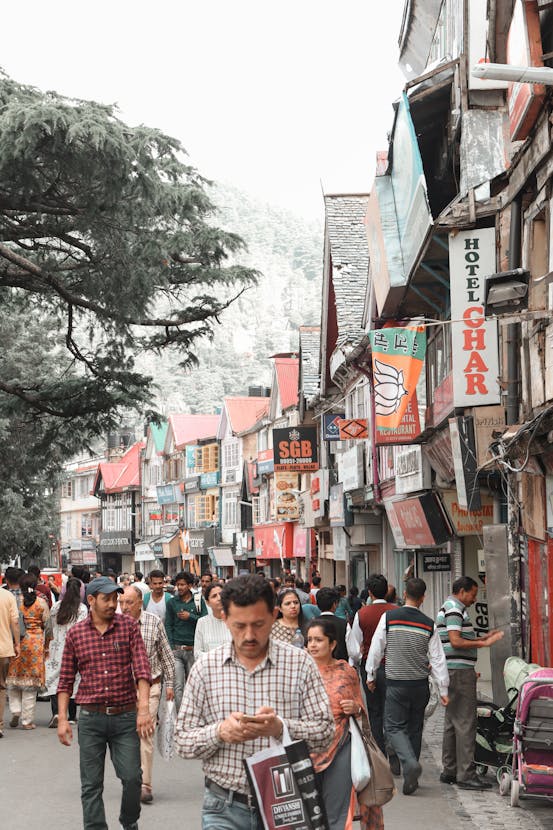
Namaste, fellow travelers and spiritual seekers! Perched majestically at an elevation of about 6,150 feet (1,875 meters) in the Chamoli district, Joshimath (Jyotirmath) is far more than just a town; it's a strategic and spiritual epicenter. Revered as one of the four cardinal piths (monasteries) established by Adi Shankaracharya, Joshimath serves as the winter seat for Lord Badrinath and Lord Narsingh. Beyond its profound spiritual significance, it's the undisputed gateway to some of Uttarakhand's most iconic destinations, including the revered Badrinath Temple, the Sikh pilgrimage site of Hemkund Sahib, the exhilarating ski slopes of Auli, and numerous challenging treks.
In 2025, Joshimath is your essential base for exploring the wonders of Chamoli. Whether you're embarking on a holy pilgrimage, seeking snow adventures, or planning high-altitude treks, this ancient town offers the perfect blend of history, spirituality, and modern amenities. Ready to start your Himalayan journey?
Joshimath: Your Perfect Himalayan Launchpad
- Spiritual Significance: One of the four `Jyotirmaths` established by Adi Shankaracharya. It is the winter abode for the idol of Lord Badrinath (Utsav Murti) and Lord Narsingh (main deity of the Narsingh Temple).
- Gateway to Badrinath: It's the last major town before Badrinath, serving as a crucial stop for pilgrims for registration, accommodation, and supplies.
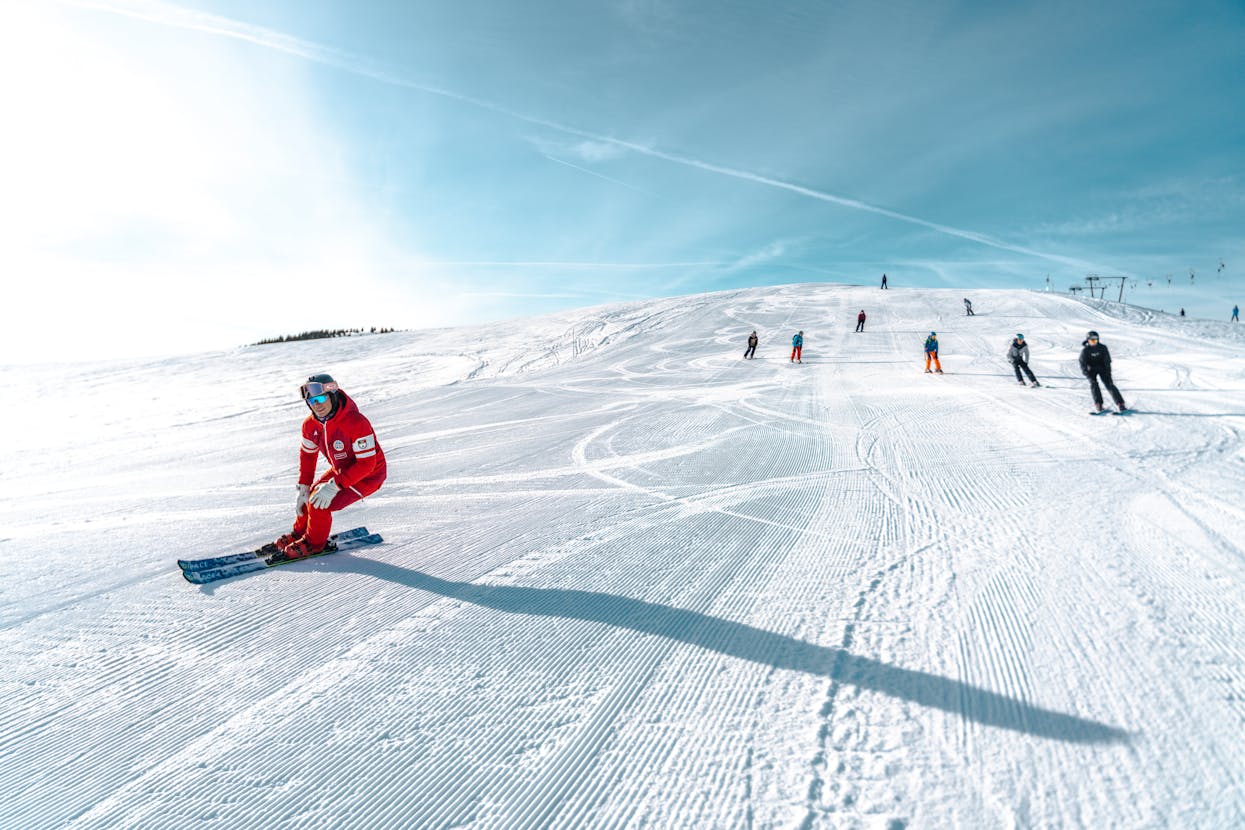
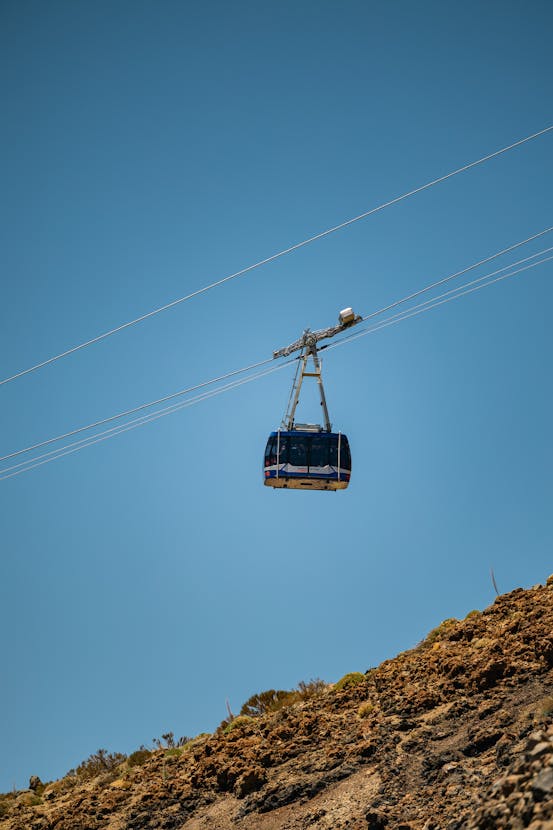
- Auli Access Point: The lower station of the famous Auli Ropeway is located here, providing direct access to the skiing slopes and scenic beauty of Auli.
- Trekking Hub: Joshimath is the starting point or base camp for several popular treks, including Kuari Pass, Valley of Flowers (via Govindghat), and Hemkund Sahib.
- Confluence Town: Situated near the confluence of the Alaknanda and Dhauliganga rivers, adding to its picturesque setting.
- Amenities and Connectivity: As a significant town, Joshimath offers a wide range of accommodation, eateries, shops, and decent mobile network connectivity.
Important Tips for Your Joshimath Stay (2025)
- Best Time to Visit:
- May-June & September-October: Ideal for Char Dham Yatra, pleasant weather for sightseeing and trekking.
- December-March: Best for winter visits and Auli skiing, though roads can be affected by snow.
- Explore Local Sites: Don't miss visiting the Narsingh Temple (winter abode of Badrinath), Kalpavriksha (the ancient mulberry tree), and Shankara Math (the monastery).
- Road Conditions: Always check road conditions, especially during monsoon (July-August) and heavy snowfall. The Joshimath-Badrinath road can be prone to landslides.
- Acclimatization: If heading to very high-altitude places like Hemkund Sahib, spend a day in Joshimath to acclimatize.
- Book Accommodation: During peak season (Char Dham and Auli skiing), hotels and guesthouses fill up quickly. Book your stay well in advance.
- Local Transport: Shared taxis and buses are readily available from Joshimath to Govindghat, Badrinath, and Auli.
- Support Local Economy: Shop for local handicrafts, woolens, and try Garhwali cuisine at local eateries.
Joshimath is a dynamic town where spirituality meets adventure. It truly is the beating heart of Chamoli's magnificent attractions. Plan your stay wisely and let the journey begin!
FAQs about Joshimath
Q1: Why is Joshimath considered a significant spiritual place?
A1: Joshimath is one of the four `Jyotirmaths` established by Adi Shankaracharya and serves as the winter abode for the idol of Lord Badrinath and Lord Narsingh.
Q2: What is the main purpose of visiting Joshimath for tourists?
A2: Joshimath serves as a crucial base and gateway for pilgrims to Badrinath and Hemkund Sahib, and for adventurers heading to Auli for skiing or various treks.
Q3: How do I get to Auli from Joshimath?
A3: The easiest and most scenic way to get to Auli from Joshimath is by taking the Auli Ropeway (gondola).
Q4: What local attractions can I visit in Joshimath?
A4: You can visit the Narsingh Temple, Kalpavriksha (the sacred mulberry tree), and Shankara Math within Joshimath town.
Q5: When is the best time to visit Joshimath?
A5: May-June and September-October are ideal for general tourism and pilgrimage. December-March is best for skiing in Auli and experiencing winter.
Q6: Is Joshimath safe to visit, considering its geological issues?
A6: While Joshimath has faced geological challenges, authorities have implemented monitoring and safety measures. It is advisable to check the latest official advisories before planning your trip.