Karnaprayag: Chamoli's Sacred Confluence of Pindar & Alaknanda Rivers!
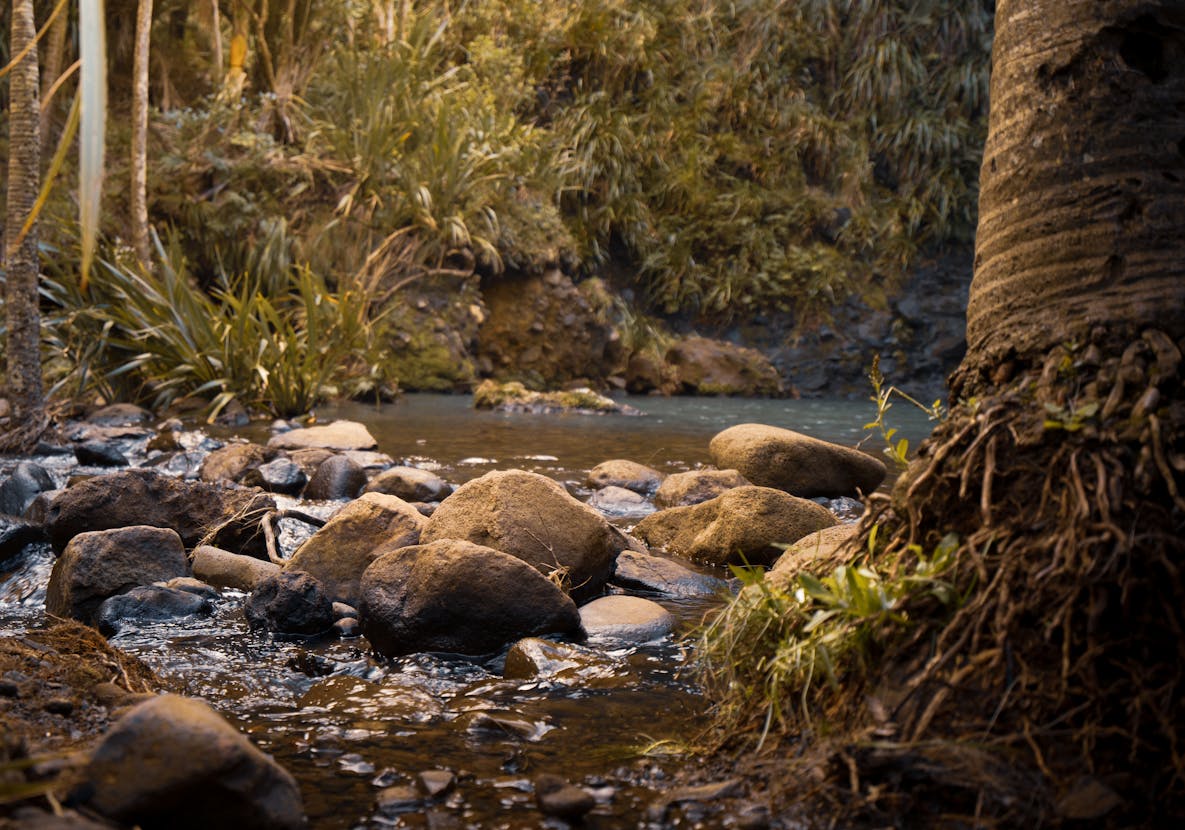
Namaste, spiritual seekers and nature enthusiasts! Strategically located in the heart of the Chamoli district, Karnaprayag is one of the five sacred confluences (`Panch Prayag`) of the Alaknanda River. Here, the emerald waters of the Pindar River merge gracefully with the mighty Alaknanda, creating a potent spiritual site and a picturesque natural spectacle. Named after Karna from the Mahabharata, who is believed to have meditated here, Karnaprayag serves as an important spiritual and geographical hub, connecting various routes in the Garhwal Himalayas.
In 2025, make a stop at Karnaprayag to witness this divine confluence, soak in its tranquil ambiance, and appreciate its role as a vital junction in Uttarakhand. It's a place where faith flows as freely as the rivers. Ready to witness the sacred merge?
Karnaprayag: A Point of Spiritual & Geographical Significance
- Panch Prayag: Karnaprayag is one of the five sacred confluences (`Panch Prayag`) of the Alaknanda River, making it highly revered in Hindu mythology.
- Confluence of Rivers: It marks the beautiful meeting point of the Pindar River (originating from the Pindari Glacier) and the Alaknanda River (which later forms the Ganga).
- Mythological Association: Named after Karna, the great warrior from the Mahabharata, who is believed to have meditated and gained divine powers here.
- Strategic Location: Karnaprayag is a major road junction, connecting routes to different parts of the Garhwal region, including Rishikesh, Badrinath, Kumaon, and Kedarnath.
- Spiritual Aura: The very act of witnessing the confluence is considered spiritually cleansing, attracting numerous pilgrims.
- Natural Beauty: The vibrant confluence, surrounded by hills and small temples, offers a serene and picturesque environment.
Important Tips for Visiting Karnaprayag (2025)
- How to Reach: Karnaprayag is very well-connected by motorable roads from major towns like Rishikesh, Haridwar, Dehradun, and Haldwani (Kumaon side). Regular buses and shared taxis are available.
- Best Time to Visit: March to June and September to November are the ideal months, offering pleasant weather for sightseeing and exploring. Monsoon (July-August) brings heavy rainfall, which can sometimes lead to road blocks.
- Visit the Confluence: Spend time at the confluence point to witness the merging waters and feel the spiritual energy.
- Explore Local Temples: Visit the Karna Temple and other small shrines near the confluence.
- Accommodation: Karnaprayag offers a range of guesthouses, hotels, and dharamshalas to suit different budgets.
- Local Market: Explore the local market for essential items and a glimpse into daily life.
- Road Hub: If you are planning further travel into the interiors of Chamoli or Rudraprayag, Karnaprayag will be a key transit point.
Karnaprayag is a place where faith, history, and nature intertwine beautifully. It's a significant stop on any journey through Uttarakhand, offering both spiritual rejuvenation and practical connectivity. Go, and witness the power of the confluence!
FAQs about Karnaprayag
Q1: Which rivers merge at Karnaprayag?
A1: At Karnaprayag, the Pindar River merges with the Alaknanda River.
Q2: Why is Karnaprayag considered a sacred place?
A2: It is one of the five sacred `Panch Prayag` (confluences) of the Alaknanda River and is associated with the mythological figure Karna from the Mahabharata.
Q3: Is Karnaprayag a major travel hub in Chamoli?
A3: Yes, Karnaprayag is a crucial road junction connecting various routes within the Garhwal Himalayas and to the Kumaon region.
Q4: When is the best time to visit Karnaprayag?
A4: March to June and September to November are the best months to visit Karnaprayag, offering pleasant weather.
Q5: What are the main attractions in Karnaprayag?
A5: The primary attraction is the confluence itself. There's also the Karna Temple and other small shrines nearby.
Q6: Is Karnaprayag accessible all year round?
A6: Yes, Karnaprayag is accessible by road throughout the year due to its relatively lower elevation, though heavy monsoon rains can sometimes cause temporary disruptions.