Khola Chaur: Pauri Garhwal's Elephant Corridor & Wild Nature Spot!
Namaste, wildlife enthusiasts and nature adventurers! Tucked away in the lower reaches of the Pauri Garhwal district, where the hills meet the plains, lies **Khola Chaur**. This area is not just a scenic spot; it's a **crucial elephant corridor**, connecting different parts of the Shivalik forests and allowing the majestic Asian elephants to move freely. Being part of the buffer zone of the **Rajaji Tiger Reserve**, Khola Chaur offers a unique opportunity to witness rich biodiversity, dense forests, and, if you're lucky, a glimpse of the gentle giants in their natural habitat. It's a place where human presence needs to be respectful of the wild kingdom.
In 2025, if you're fascinated by wildlife, passionate about conservation, and seeking an immersive experience in a less-explored wilderness, Khola Chaur is an intriguing destination. It's an invitation to witness nature's grand spectacle. Ready for a wild encounter?
Khola Chaur: Where Wilderness Roams Free!
- Elephant Corridor: Khola Chaur is a vital migratory route and habitat for Asian elephants, making it a significant conservation area.
- Part of Rajaji Tiger Reserve (Buffer Zone): Its proximity to this major wildlife reserve means a rich biodiversity, including various animals, birds, and plant species.
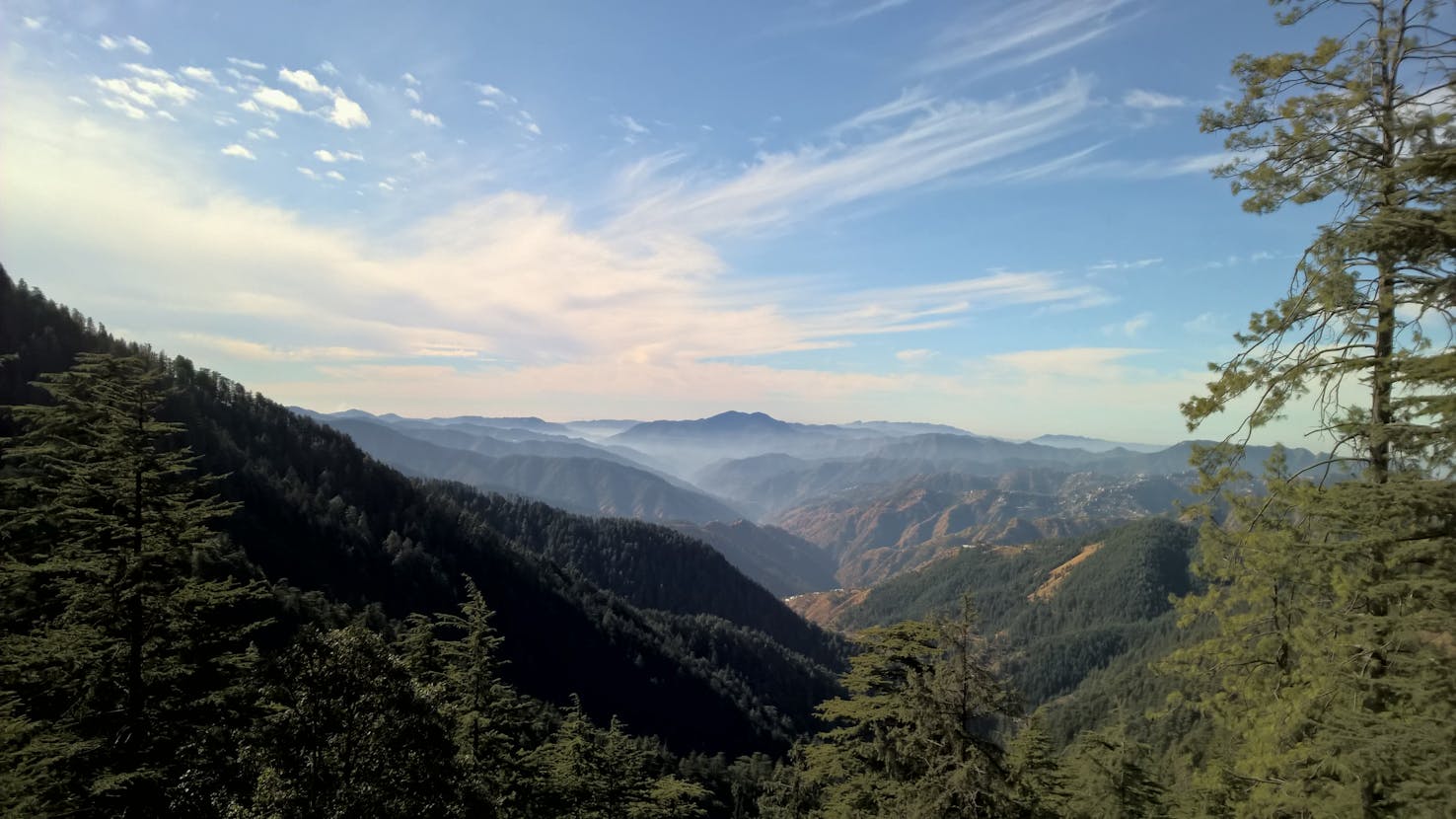
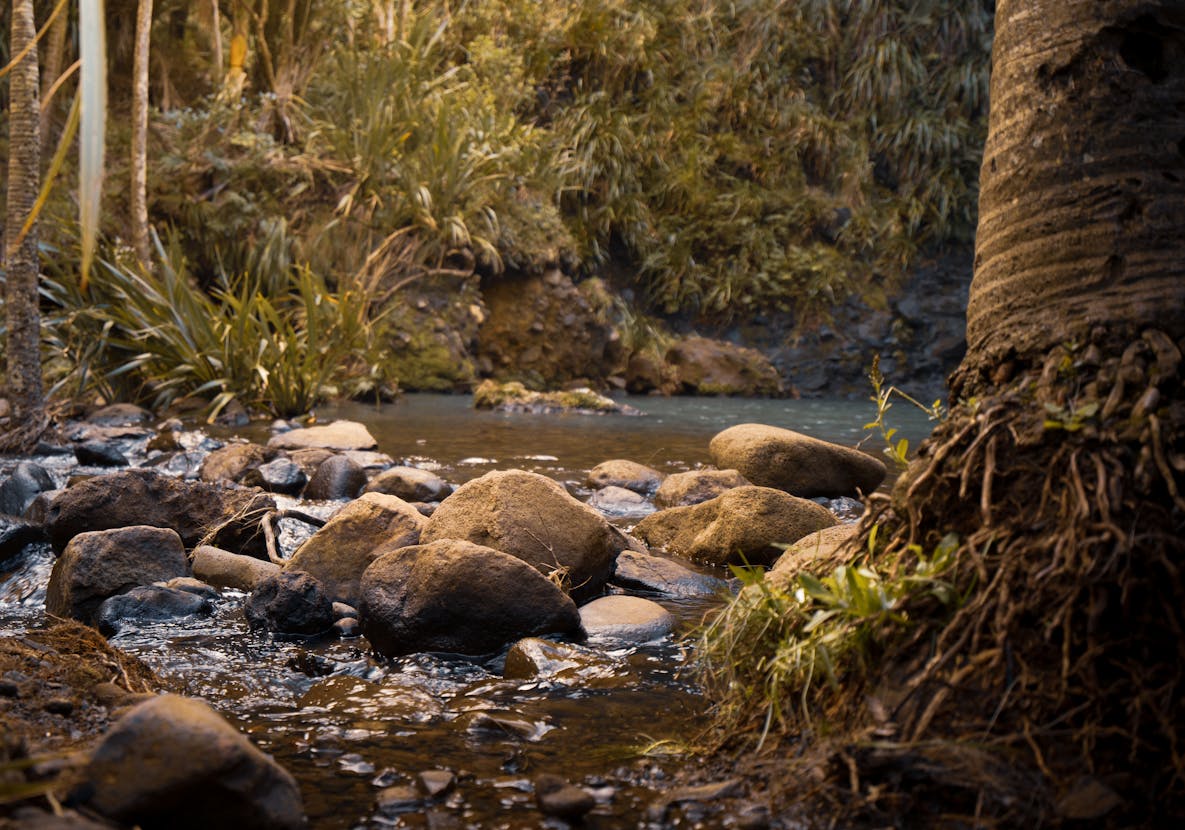
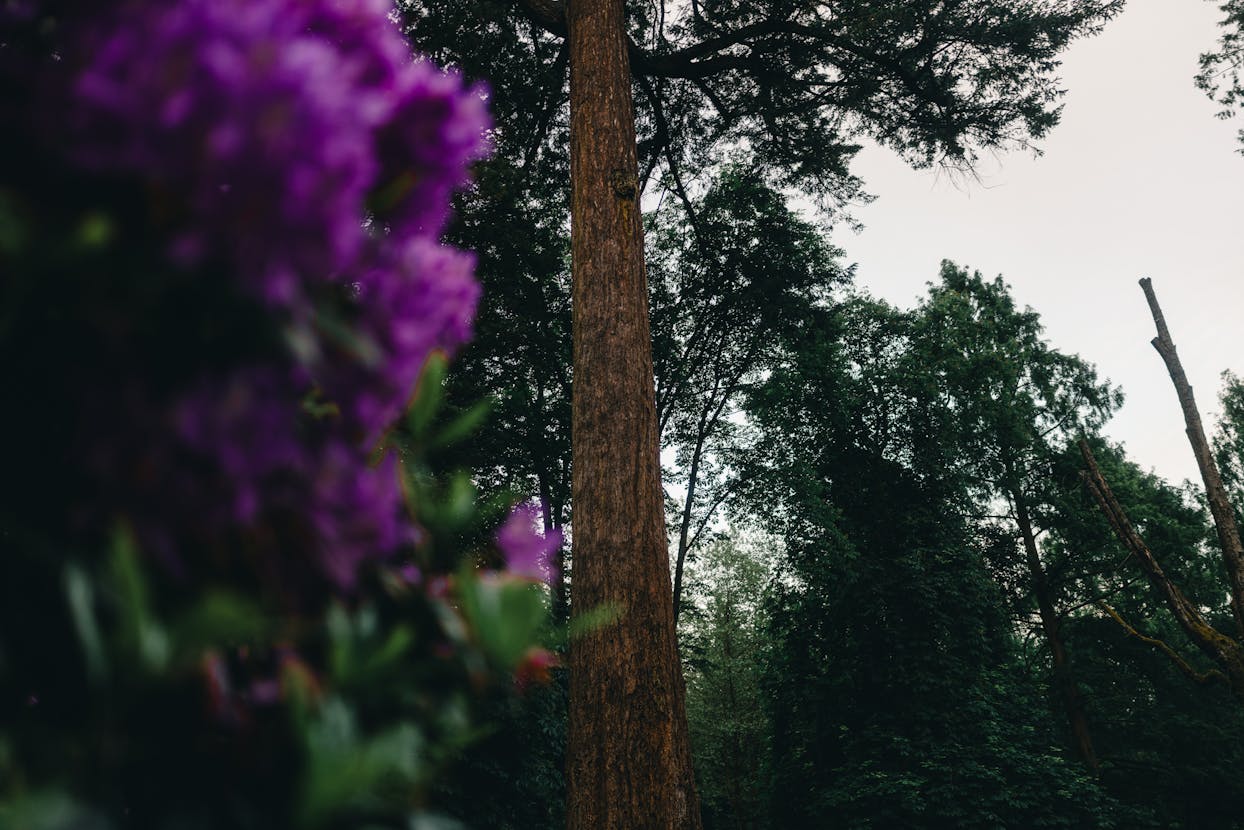
- Dense Forests: The area is covered in lush sal, mixed deciduous, and riverine forests, offering a true jungle experience.
- Wildlife Spotting Opportunities: Besides elephants, you might spot deer, wild boars, various reptiles, and a plethora of bird species.
- Nature Walks & Photography: Ideal for guided nature walks and wildlife photography (with appropriate safety measures).
- Peaceful & Remote: Away from commercial crowds, offering a tranquil and immersive wilderness experience.
- Conservation Importance: A visit here highlights the importance of wildlife corridors and conservation efforts.
Important Tips for Visiting Khola Chaur (2025)
- How to Reach: Khola Chaur is located in the plains/lower hills of Pauri Garhwal, often accessible from **Kotdwar** or **Haridwar**. It's best to check specific routes and access points for the Rajaji Tiger Reserve buffer zone.
- Best Time to Visit: **November to June** is ideal. Winters are pleasant for wildlife spotting, and spring/early summer offers good visibility. Avoid monsoon (July-October) due to heavy rains and difficult terrain, and also when animals are more dispersed.
- Safari/Guided Tour: For safe and responsible wildlife viewing, it's highly recommended to arrange a **guided safari or a walk with a forest guide**. Do not venture alone into the forest.
- Respect Wildlife: Maintain a safe distance from animals, do not feed them, and avoid making loud noises. Follow all instructions from your guide.
- Dress Code: Wear neutral-colored clothing that blends with nature, and comfortable closed shoes.
- Carry Binoculars & Camera: Essential for wildlife observation and photography.
- Accommodation: Limited forest rest houses or eco-lodges might be available in or near the buffer zone. Book well in advance. Consider staying in Kotdwar for more options.
- Permits: You will likely need forest department permits to enter certain areas. Inquire in advance.
Khola Chaur offers a unique glimpse into the wild heart of Uttarakhand, connecting you with the majestic elephants and the vibrant ecosystem they inhabit. It's an adventure that combines excitement with a profound appreciation for nature. Go, and respect the wilderness!
FAQs about Khola Chaur
Q1: What is the main significance of Khola Chaur?
A1: Khola Chaur is a **vital elephant corridor** in Pauri Garhwal, connecting different forest areas and providing habitat for wild elephants.
Q2: What kind of wildlife can I expect to see in Khola Chaur?
A2: Besides **elephants**, you might spot various types of **deer, wild boars, and a wide array of bird species**, as it's part of the Rajaji Tiger Reserve buffer zone.
Q3: Is it safe to explore Khola Chaur on my own?
A3: No, it is **highly recommended to arrange a guided safari or a walk with an experienced forest guide** for safety and responsible wildlife viewing, as it's an active wildlife area.