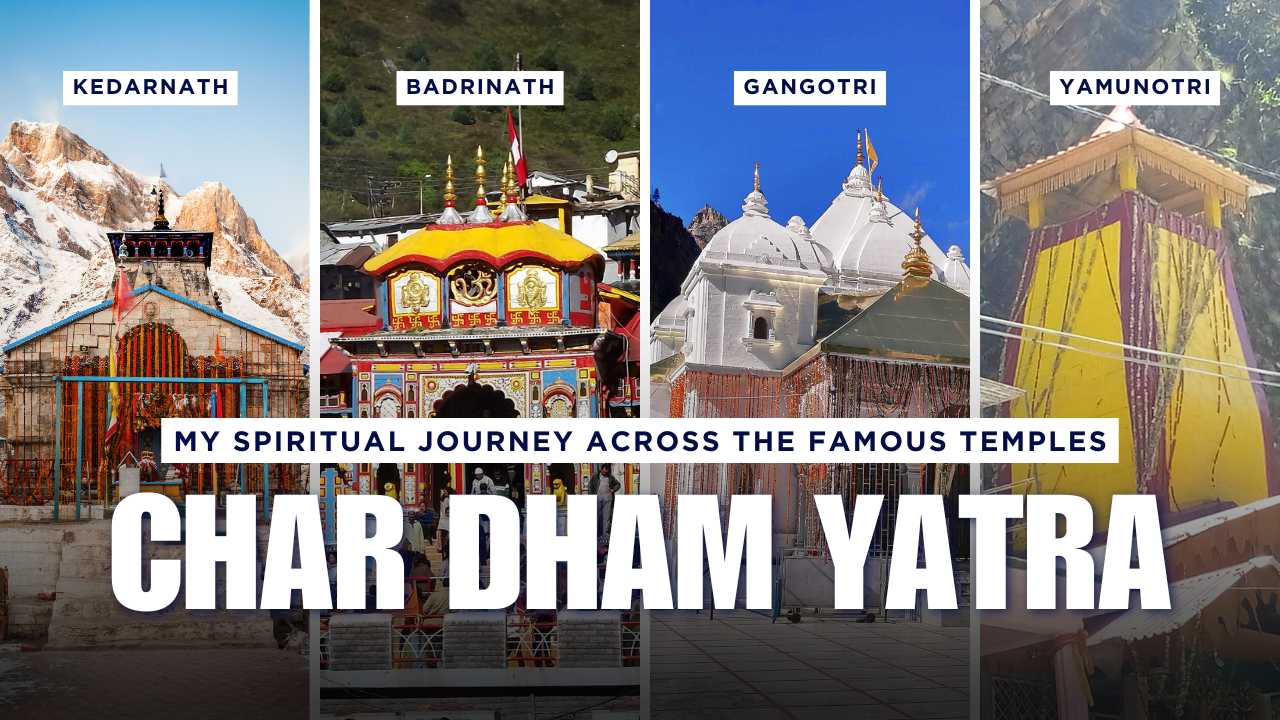
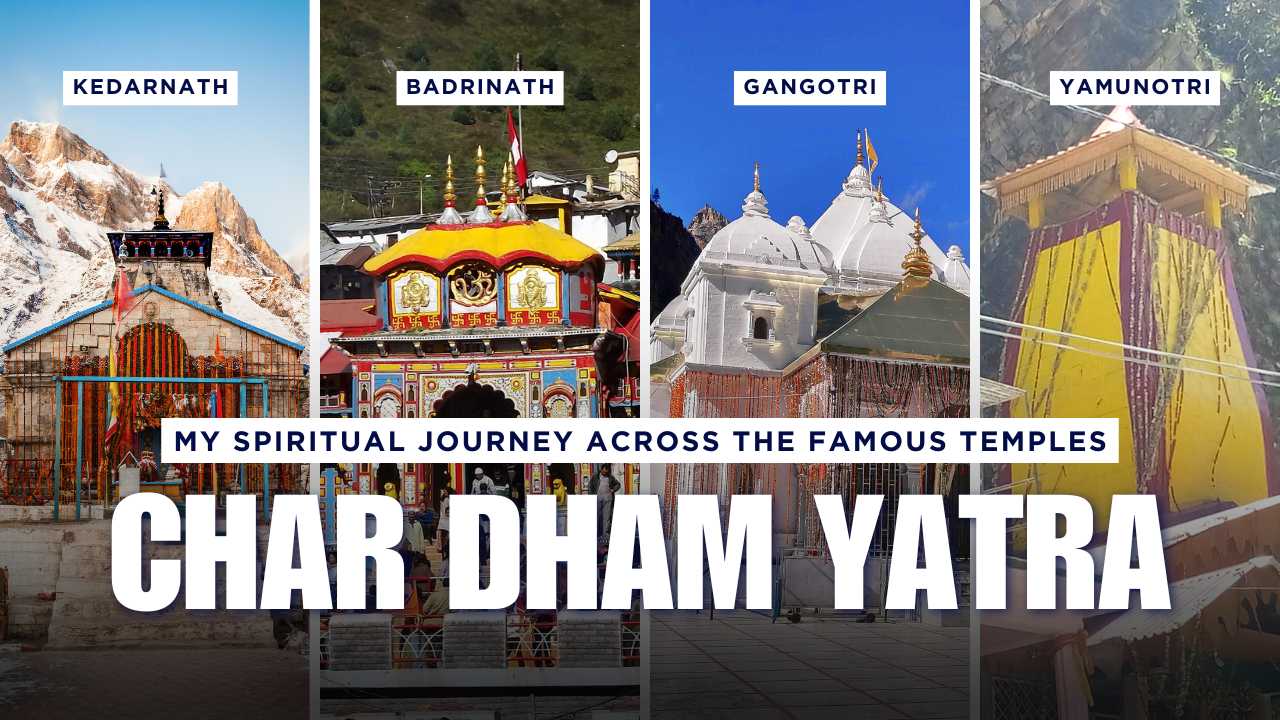
Night Driving in the Mountains: Is It Recommended?
Short answer: Generally no for most pilgrims and leisure travellers — but with the right preparation and circumstances, night driving in the mountains can be done safely by experienced drivers. This long-form guide explains why night driving is risky in mountainous regions (including Char Dham routes), how to evaluate risks, preparations to reduce danger, legal and practical alternatives, and a checklist you can use before you drive after sunset.

Why night driving in mountainous areas is often discouraged
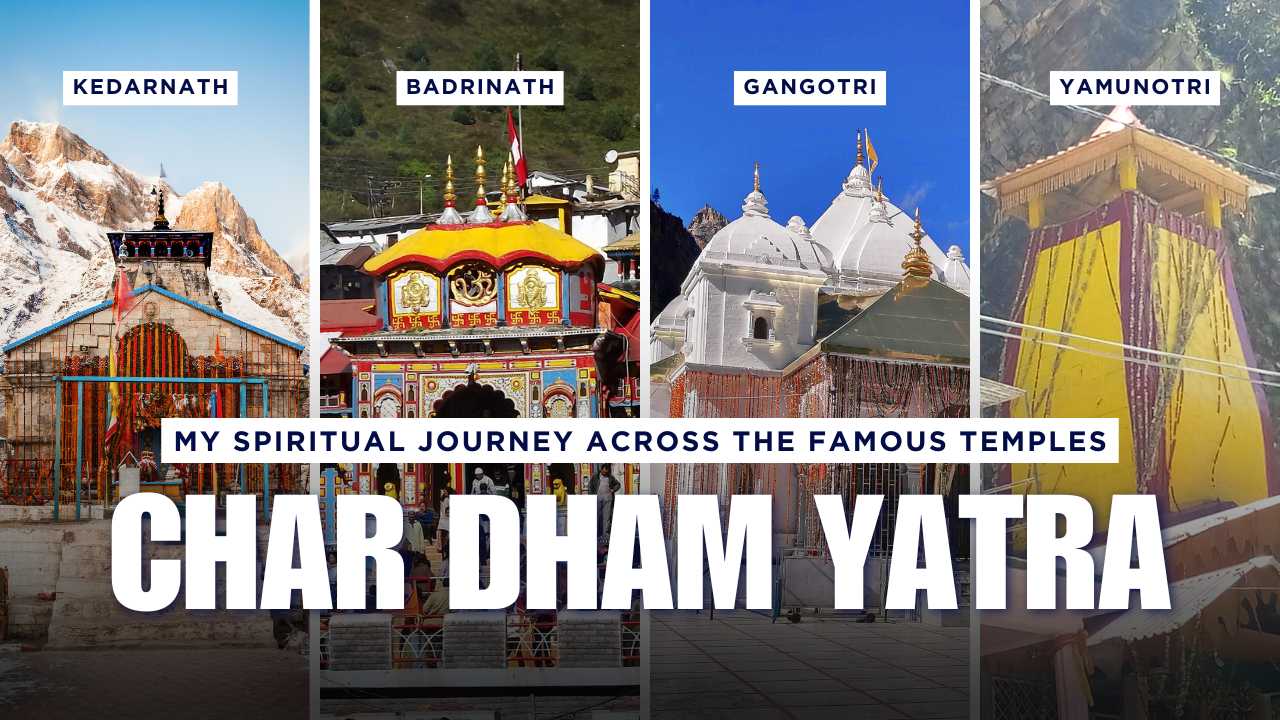
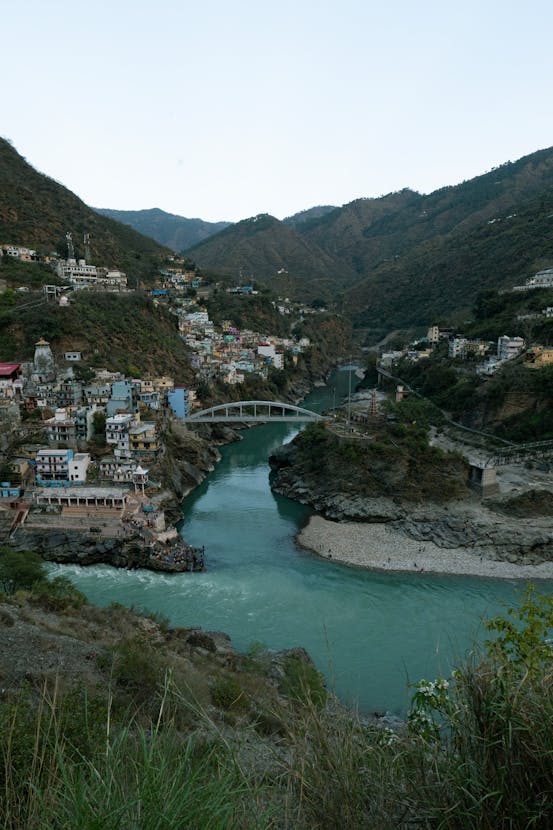
Mountain roads are inherently different from plains roads: narrow lanes, sharp blind corners, steep drop-offs, loose stones, frequent animal crossings, and sudden weather changes. After sunset these hazards become much harder to detect. For pilgrims doing Char Dham Yatra in Uttarakhand, many of the risks are magnified because of higher traffic volume in peak season and frequent, unpredictable road maintenance or landslide activity.
- Poor visibility: Even with headlights, detecting an oncoming vehicle on a blind hairpin or a boulder on the road is delayed.
- Fatigue and human error: Long days of driving followed by night legs increase the chance of micro-sleeps and slow reaction times.
- Limited roadside help: Medical or mechanical assistance is harder to reach at night, especially in remote ghat sections.
- Road obstructions: Landslides, fallen trees, stray animals, and broken-down vehicles are common and dangerous at night.
Is night driving ever recommended?
There are situations where night driving may be unavoidable or even sensible:
- To make a scheduled train or flight connection where alternatives are not possible.
- When daylight routes are blocked and night-time travel is the only way to reach safer accommodation.
- Emergency medical evacuations or urgent family matters.
Even in these situations, proceed with added precautions, or consider alternatives such as overnight stays, local accommodation, or helicopter evacuation where available.

Specific considerations for Char Dham pilgrims
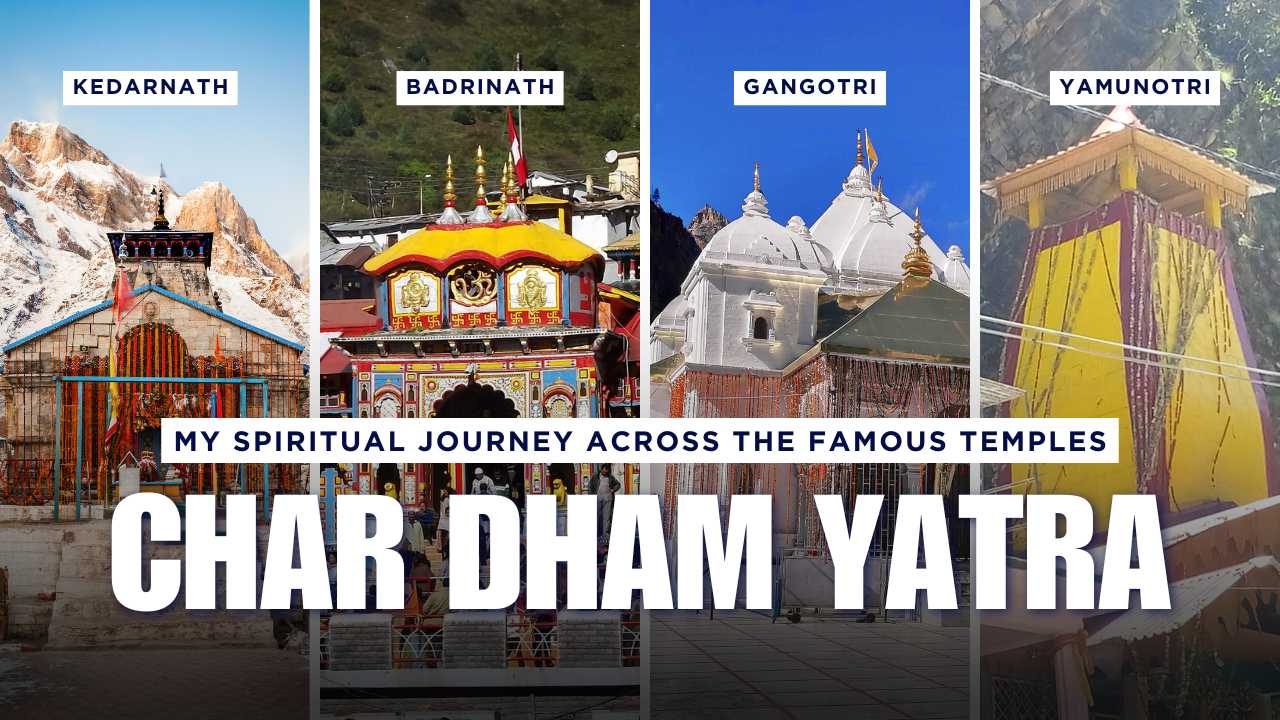
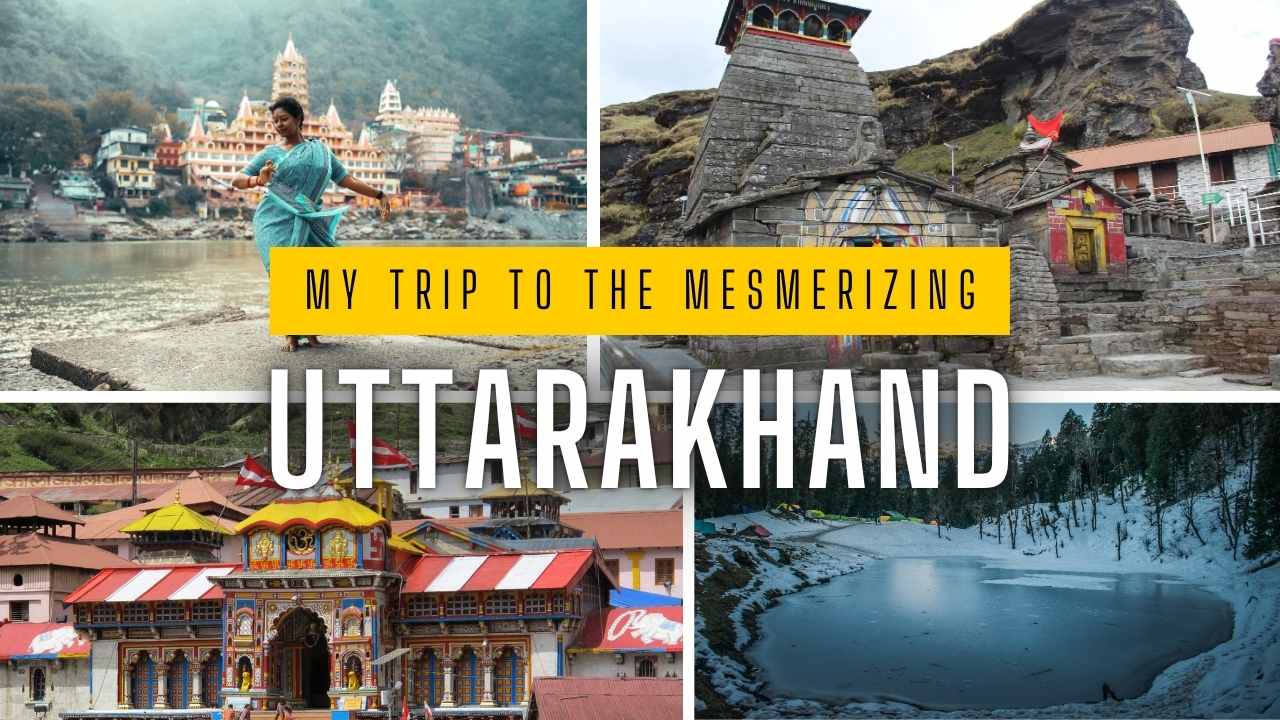
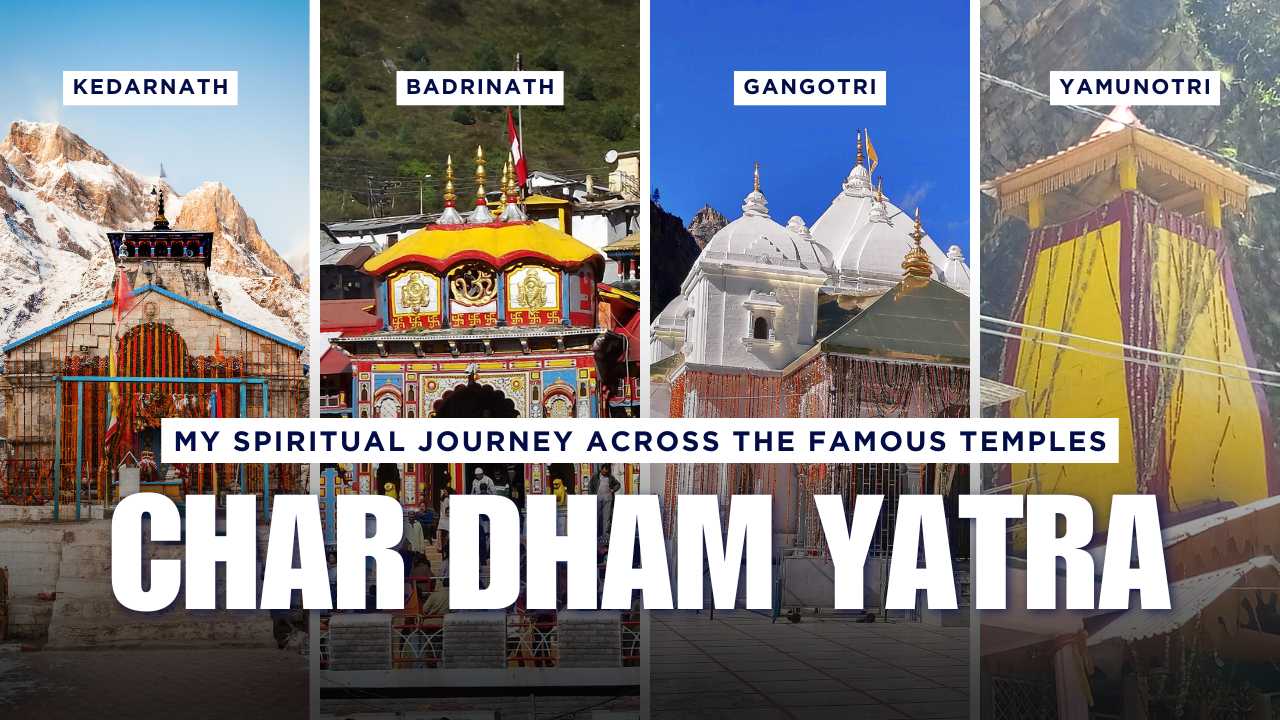
Char Dham pilgrimage routes often pass through high-altitude passes, unpredictable valleys, and tourism hotspots. Pilgrims should weigh spiritual urgency against safety reality.
- Temple opening times: Temples have morning and evening aartis; many pilgrims rush to reach shrines by dawn. That pressure sometimes causes night travel — plan so you do not have to.
- Seasonality: Monsoon increases landslide risk; winter brings snow and icy patches. Both amplify night hazards.
- Accommodation timing: Booked hotels or dharamshalas are valuable — better to rest overnight than risk a dangerous night drive.
Legal, regulatory and local rules
There is no blanket national ban on night mountain driving, but local authorities or specific stretches might have curfews or restrictions (for example, roads closed after a certain hour due to landslide risk or maintenance). Always check local police advisories, Uttarakhand tourism updates, or temple authority notices before planning a night leg.
Useful: check official resources like Uttarakhand Tourism and, for travel logistics, tour packages that schedule safe daytime transits.
Five-step risk assessment before you decide to drive at night
- Check route reports: Is there recent news of landslides, roadworks, or closures on your planned segment?
- Assess driver condition: Will the driver be well-rested? No driver should operate under fatigue or medication that causes drowsiness.
- Vehicle fitness: Are lights, brakes, tyres and spare wheel checked? Is the vehicle high-clearance for ghat roads?
- Emergency access: Is mobile connectivity available and do you have emergency contacts and numbers?
- Alternate options: Can you delay travel until dawn, take a local stay, or use day-time public transport instead?

How to prepare your vehicle for safe night mountain driving
Strong preparation reduces risk. Treat night drives with the seriousness of a long expedition.
- Lighting: Ensure both low and high beams work. Carry spare bulbs and a compact, high-lumen torch.
- Brakes & tyres: Check tread depth, tyre pressure, and carry a properly inflated spare. Inspect brake pads.
- Recovery kit: Tow rope, jack, puncture repair kit, basic toolset and wheel chocks.
- Communication: Portable power banks, a vehicle charger and a local SIM with network coverage increase safety.
- Supplies: Water, warm blankets, first-aid kit, high-energy snacks and a basic roadside emergency kit.
Night driving techniques for mountain roads
- Drive slower than usual; allow extra stopping distance.
- Use low beam on narrow or foggy sections; switch to high beam only when there is no oncoming traffic and visibility is limited.
- Sound your horn before blind corners where local etiquette suggests it; many mountain drivers do this to warn oncoming traffic.
- Keep left on Indian roads and maintain a safe distance from the edge; avoid overtaking on curves.
- Avoid sudden braking; instead reduce speed early and use engine braking on descents.
Alternatives to night driving
Often the safest choice is to plan your itinerary to avoid night legs entirely. Practical alternatives include:
- Start earlier: Begin your day at first light to cover long distances in daylight.
- Break journey: Pre-book stays in towns like Rishikesh, Uttarkashi, Rudraprayag, Joshimath or Barkot.
- Use shared daytime transport: Buses, tempo travellers, and taxis often run daytime schedules and let you rest at night.
- Helicopter options: For Kedarnath and sometimes Badrinath, a helicopter can remove risky road or trekking legs — check official booking channels.
For verified packages and day-wise itineraries that avoid risky night legs, see recommended tour packages.
Case studies: common mountain stretches and night risks
- Haridwar → Barkot (Yamunotri route): Narrow ghat sections after dusk, occasional cattle on road; avoid night transit unless essential.
- Uttarkashi → Gangotri: High-altitude winds and mist can reduce visibility quickly — daylight is preferred.
- Rudraprayag → Gaurikund (Kedarnath base): Steep drops and narrow roads; many opt to stop in Rudraprayag rather than attempt night driving.
- Joshimath → Badrinath: High passes and sudden weather; plan for daytime travel to ensure safe crossing.
FAQs
Is it illegal to drive at night in Uttarakhand mountains?
Not universally illegal, but some roads or stretches may have time-based closures or advisories. Always check local police or state tourism website for current restrictions.
What if I have no choice but to drive at night?
Take strict precautions: reduce speed, ensure the driver is rested, use a high-clearance vehicle, inform local contacts of your ETA, and carry emergency supplies and torchlight.
Are taxis/drivers comfortable driving at night?
Many experienced local drivers do operate at night, but their willingness varies. Discuss route, payment for night allowance, and confirm driver confidence before leaving.
Do I need special insurance for night driving?
Standard vehicle insurance covers most events, but consider travel insurance with mountain rescue and emergency evacuation, especially if you are trekking or might require helicopter evacuation.
Night driving checklist (printable)
- Confirm no road closures or landslide alerts.
- Driver had 8+ hours rest and is fit to drive.
- Vehicle lights, brakes and tyres checked; spare tyre ready.
- Charged phone, power bank, torch and emergency numbers saved.
- Warm clothing, water, snacks and first-aid kit on board.
- Plan stopping points every 2-3 hours to avoid fatigue.

Conclusion
Night driving in the mountains is not recommended for most travellers, especially those undertaking the Char Dham Yatra in 2026. The combination of reduced visibility, fatigue, road instability and limited emergency support makes night legs riskier than equivalent daytime travel. When night driving is unavoidable, plan meticulously: check local advisories, ensure vehicle fitness, rest the driver, carry emergency supplies, and know alternative plans like overnight stays or helicopter options. Prioritising safety ensures your pilgrimage remains a spiritual and joyful experience rather than a hazardous challenge.