Niti Valley: Chamoli's Remote Frontier & Cultural Gem!
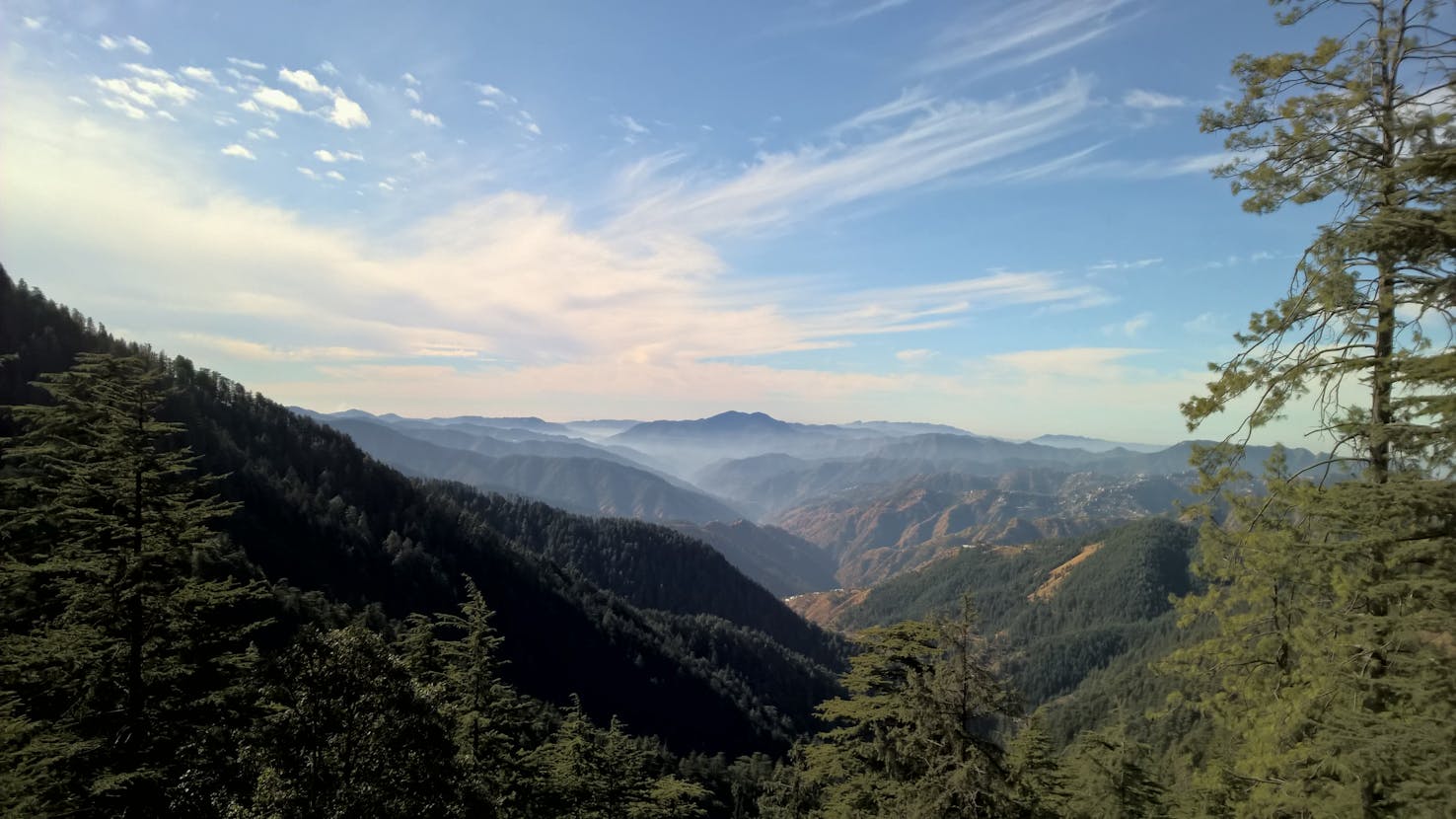
Namaste, intrepid explorers and cultural enthusiasts! Deep within the upper reaches of the Chamoli district, close to the Indo-Tibetan border, lies the enigmatic Niti Valley. This remote and historically significant valley is not just a geographical boundary; it's a living testament to ancient trade routes, unique Bhotia culture, and pristine Himalayan wilderness. Dotted with traditional villages, each with its own stories and charm, Niti Valley offers a truly off-the-beaten-path experience for those seeking to connect with the authentic heart of Uttarakhand.
In 2025, if you're granted the necessary permits, embarking on a journey to Niti Valley is an opportunity to step back in time, witness stunning landscapes, and immerse yourself in a vibrant, yet preserved, Himalayan way of life. Ready to unlock borderland secrets?
Niti Valley: A Glimpse into Chamoli's Untouched Wilderness
- Strategic Border Region: Niti Valley is one of the last inhabited regions before the Indo-Tibetan border, making it strategically important and historically significant for trade and cultural exchange.
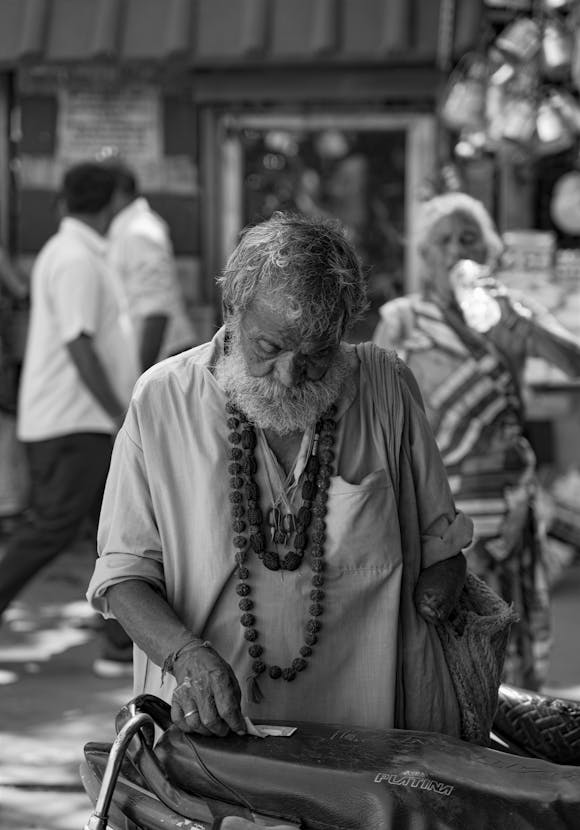
- Bhotia Culture: The valley is home to the indigenous Bhotia tribe, known for their unique culture, traditional wooden houses, distinct language, and strong connection to ancient trade practices.
- Ancient Trade Route: It was once a crucial passage for traders between India and Tibet, and remnants of this history can still be felt.
- Remote Villages: Explore charming and traditional villages like Niti, Malari, Ghamsali, and Gamshali, which offer insights into local life and architecture.
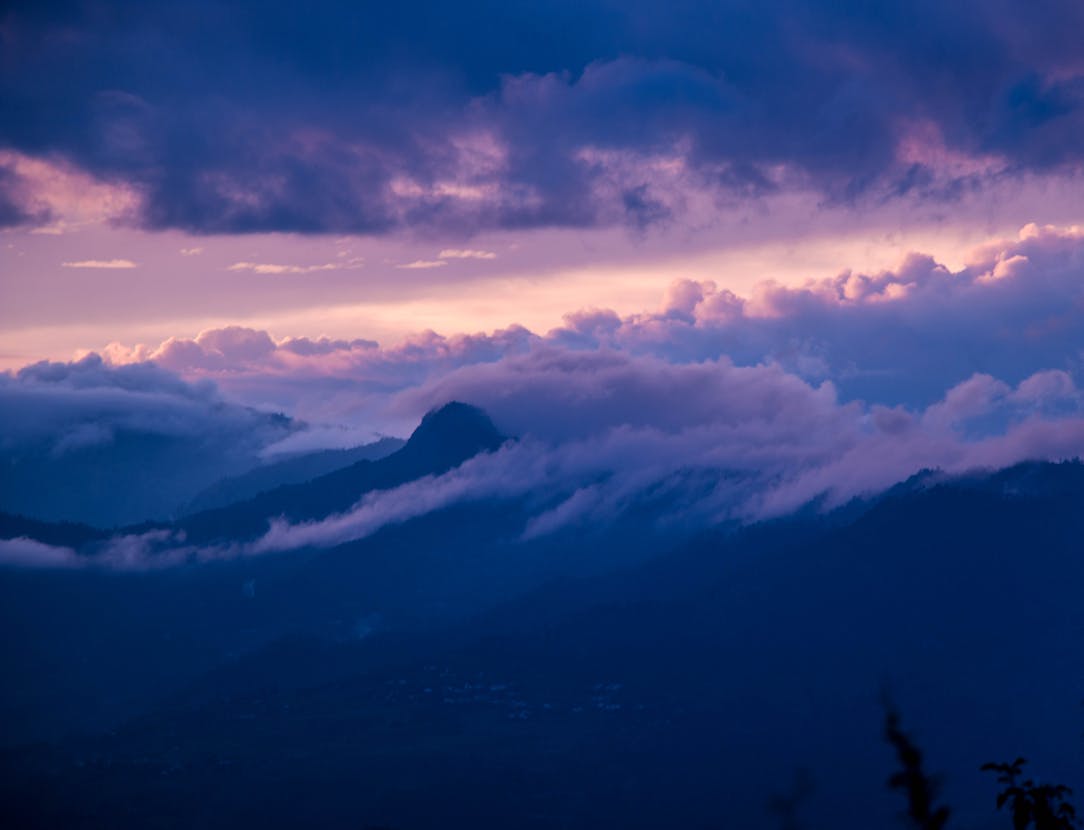
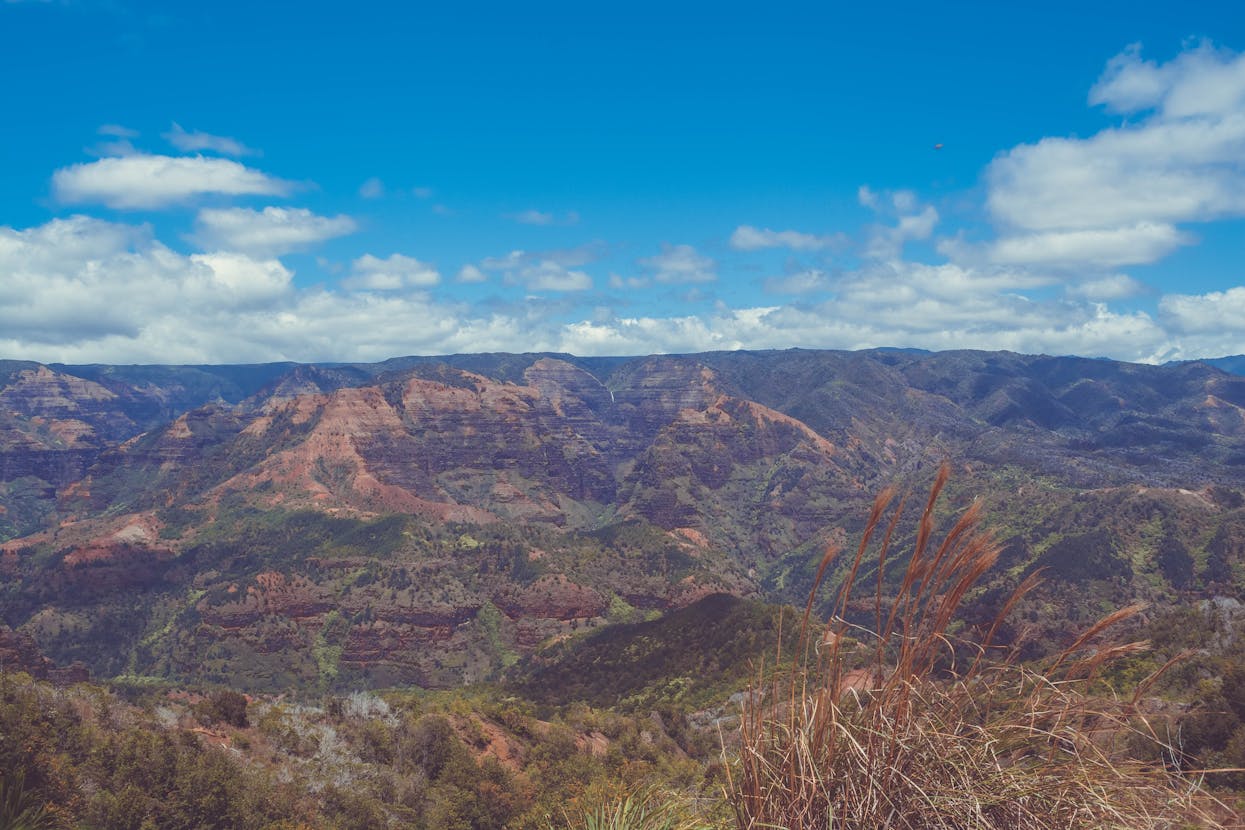
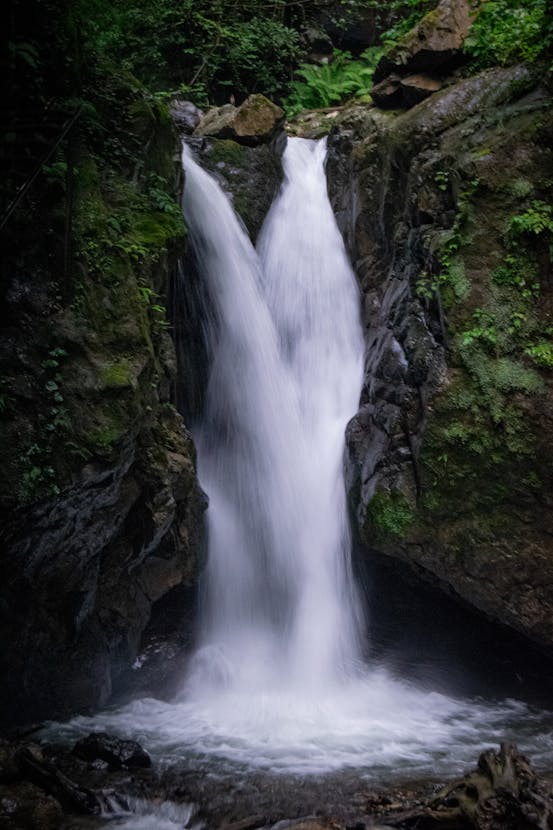
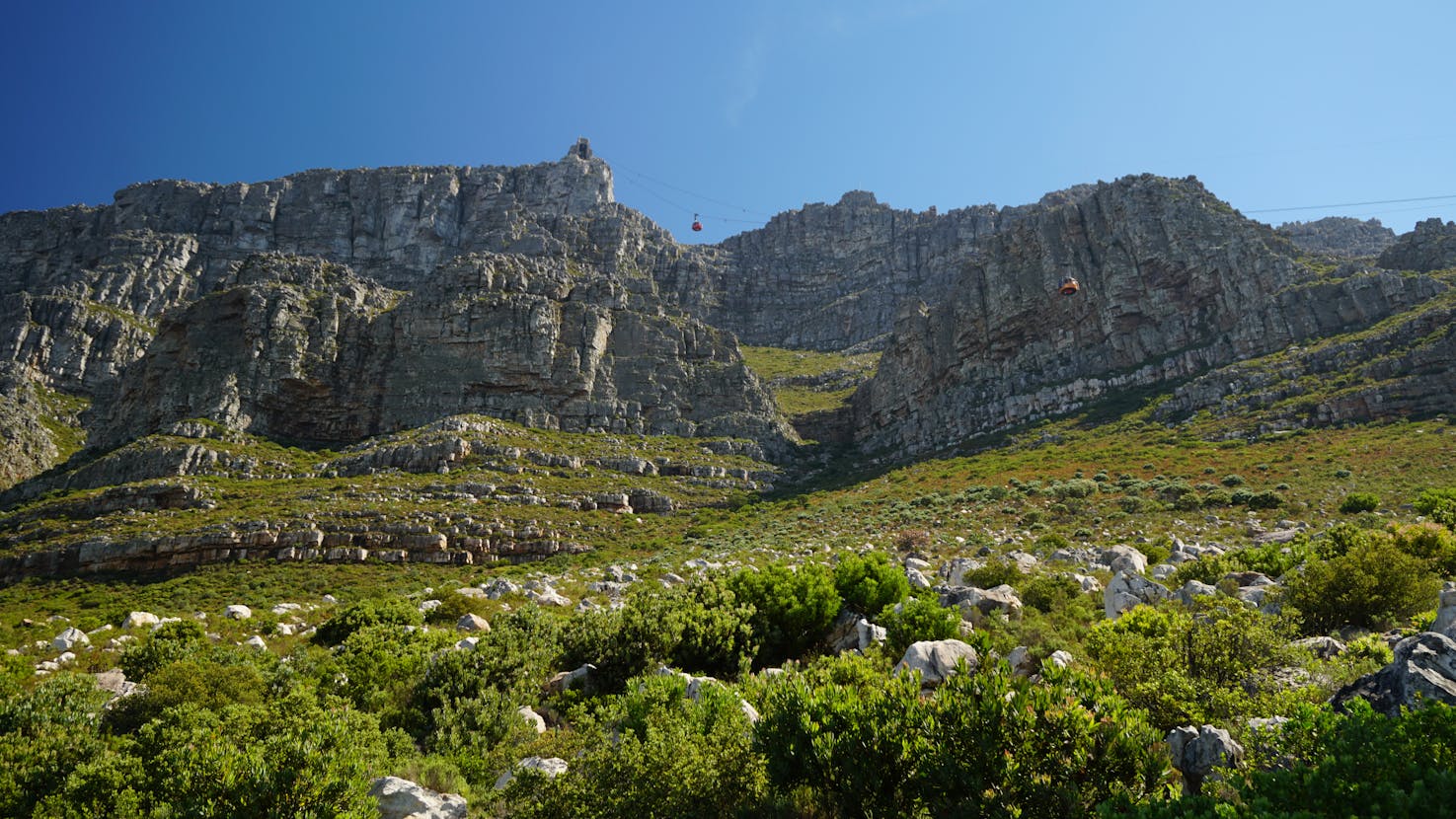
- Pristine Natural Beauty: The valley boasts breathtaking landscapes, including snow-capped peaks, lush meadows, gushing rivers (Dhauliganga), and unique high-altitude flora and fauna.
- Limited Access: Due to its proximity to the international border, Niti Valley requires special permits for visitors, adding to its exclusivity and preserved nature.
Important Tips for Visiting Niti Valley (2025)
- Permits are Essential: Access to Niti Valley requires **special permits** from the District Magistrate's office (Chamoli/Joshimath). Apply well in advance with proper documentation (ID proof, address proof). Local contacts can assist.
- Best Time to Visit: The valley is usually accessible from **May to October**, after the snow melts and before winter sets in. June and September-October are ideal for pleasant weather and clear views.
- How to Reach: The route typically involves driving from Joshimath towards Malari and then further into the valley. Road conditions can be challenging, especially after monsoon.
- Basic Facilities: Expect very basic accommodation (homestays, guesthouses) and limited facilities. Carry necessary medicines, personal hygiene items, and sufficient cash.
- Respect Local Culture: The Bhotia people have a unique way of life. Be respectful of their traditions, customs, and privacy. Ask permission before photographing people.
- Environmental Responsibility: Niti Valley is a pristine area. Practice strict Leave No Trace principles. Carry back all your waste.
- Local Guides: Hiring a local guide is highly recommended, not just for navigation but also for cultural insights and understanding of the region.
- Connectivity: Mobile network coverage can be sporadic or non-existent in many parts of the valley.
Niti Valley offers a profound and immersive experience, a rare chance to witness a traditional Himalayan lifestyle in a truly untouched setting. It's a journey for the discerning traveler seeking genuine discovery!
FAQs about Niti Valley
Q1: Why is Niti Valley considered a restricted area?
A1: Niti Valley is a border area close to the Indo-Tibetan border, making access restricted and requiring special permits for national security reasons.
Q2: What is special about the culture in Niti Valley?
A2: The valley is home to the Bhotia tribe, who have a unique cultural heritage, traditional houses, and were historically involved in trans-Himalayan trade.
Q3: How do I get a permit to visit Niti Valley?
A3: Permits need to be obtained from the District Magistrate's office in Chamoli or Joshimath. It's advisable to apply well in advance with all required documents.
Q4: What is the best time to visit Niti Valley?
A4: Niti Valley is generally accessible from May to October. May, June, September, and October offer the most favorable weather conditions.
Q5: What kind of accommodation can I expect in Niti Valley?
A5: Accommodation in Niti Valley is very basic, primarily consisting of homestays and small guesthouses in the villages.
Q6: Are there any specific villages worth visiting in Niti Valley?
A6: Villages like Niti, Malari, Gamshali, and Ghamsali are significant and offer insights into the local culture and lifestyle.