Rudranath Temple: Conquering Chamoli's Wildest Kedar Trek for Divine Darshan!
Har Har Mahadev, brave devotees and intrepid trekkers! Among the revered Panch Kedar temples, Rudranath Temple stands out as perhaps the most challenging and least accessible, making it a true test of faith and endurance. Nestled deep within the magnificent wilderness of the Chamoli district, this sacred shrine is dedicated to Lord Shiva, where his `Mukha` (face) is worshipped. The journey to Rudranath is an unforgettable odyssey through dense forests, vast alpine meadows, and arduous terrains, rewarding pilgrims with profound spiritual peace and breathtaking natural beauty.
In 2025, if you're ready to embark on a truly transformative spiritual adventure, the trek to Rudranath will push your limits and uplift your soul. It's not just a pilgrimage; it's an encounter with the raw, untamed essence of the Himalayas. Are you prepared to seek the divine face?
Rudranath Temple: The Spiritual Challenge in Chamoli's Wilds
- The Face of Shiva (Mukha): Rudranath is unique among the Panch Kedar as it is the only place where Lord Shiva's face is worshipped. The other parts of his body are worshipped at Kedarnath (hump), Tungnath (arms), Madhyamaheshwar (navel), and Kalpeshwar (hair).
- Arduous Trek: This is considered one of the most difficult of the Panch Kedar treks, known for its steep ascents, descents, and long distances through remote wilderness.
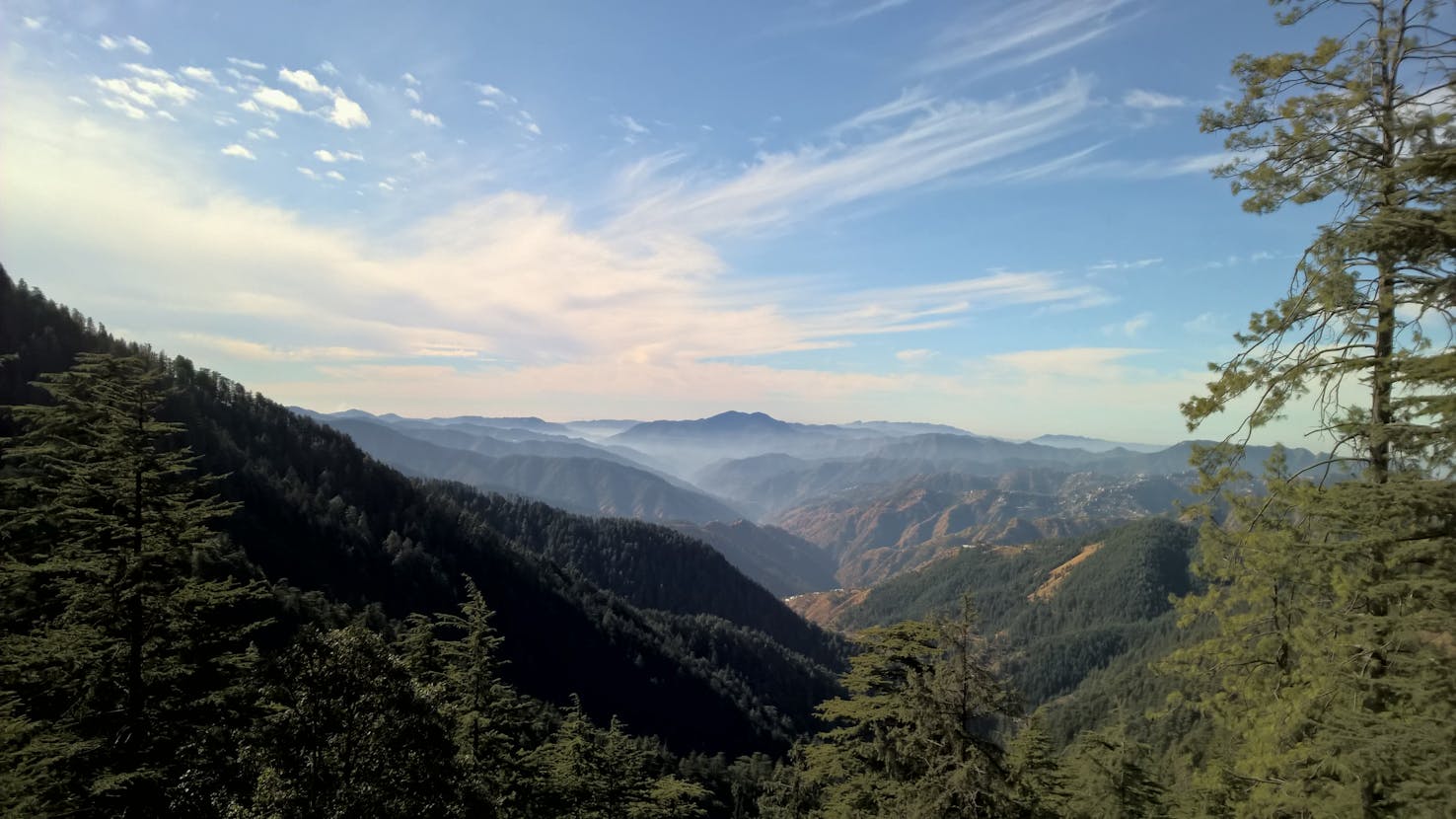
- Pristine Nature: The route to Rudranath passes through some of the most untouched and beautiful landscapes in Chamoli, including thick forests, charming villages, and vast bugyals (alpine meadows) like Panar and Panwali Kantha.
- Kunds & Water Bodies: Along the route, you'll encounter several sacred kunds (ponds) such as Surya Kund, Chandra Kund, Tara Kund, and Manas Kund, adding to the spiritual ambiance.
- Yearly Opening: Like most high-altitude temples, Rudranath opens after the winter snows melt (usually late May/early June) and closes before heavy snow sets in (late October/early November).
Important Tips for the Rudranath Trek (2025)
- Starting Point: The most common starting point for the Rudranath trek is **Sagar Village**, which is about 5 km from Gopeshwar in Chamoli. Other routes exist but are less common.
- Best Time to Trek: June and September-October are the best months for the Rudranath trek. June offers clear paths and pleasant weather, while September-October provides clear skies and stunning autumn colors. Avoid monsoon (July-August) due to slippery trails and leeches.
- Physical Fitness is Key: This trek requires excellent physical fitness and stamina. Start preparing with cardio and strength training months in advance.
- Hire a Local Guide/Porter: It is highly recommended, almost essential, to hire an experienced local guide and/or porters from Sagar village. The route can be confusing, and weather can change rapidly.
- Basic Accommodation: Expect very basic dhabas and shelters along the trek route. Carry your own sleeping bag if you prefer.
- Pack Smart: Carry sufficient warm clothing (layers), waterproof jacket, sturdy trekking boots, a first-aid kit, medicines, dry snacks, and sufficient water.
- Acclimatization: Allow a day for acclimatization in Gopeshwar or Sagar before starting the trek.
- Permits: Check if any special permits are required from the Forest Department or local authorities before starting.
The Rudranath trek is an arduous but incredibly fulfilling journey. It tests your resolve and rewards you with divine blessings and unparalleled Himalayan beauty. May Lord Shiva guide your path!
FAQs about Rudranath Temple Trek
Q1: Which part of Lord Shiva is worshipped at Rudranath Temple?
A1: At Rudranath Temple, the `Mukha` (face) of Lord Shiva is worshipped.
Q2: Is the Rudranath trek difficult?
A2: Yes, the Rudranath trek is considered one of the most challenging among the Panch Kedar treks, known for its steep and rugged terrain.
Q3: What is the main starting point for the Rudranath trek?
A3: The most common starting point for the Rudranath trek is Sagar Village, near Gopeshwar in Chamoli district.
Q4: When is the best time to undertake the Rudranath trek?
A4: June and September-October are the best months for the Rudranath trek, offering favorable weather and trail conditions.
Q5: Are guides necessary for the Rudranath trek?
A5: Yes, it is highly recommended to hire an experienced local guide for the Rudranath trek due to its difficulty and remote nature.
Q6: What are some sacred kunds (ponds) on the Rudranath trek route?
A6: Surya Kund, Chandra Kund, Tara Kund, and Manas Kund are some of the sacred water bodies encountered along the Rudranath trek route.