Slow Travel in India: Experiencing the Country Beyond Tourist Checklists
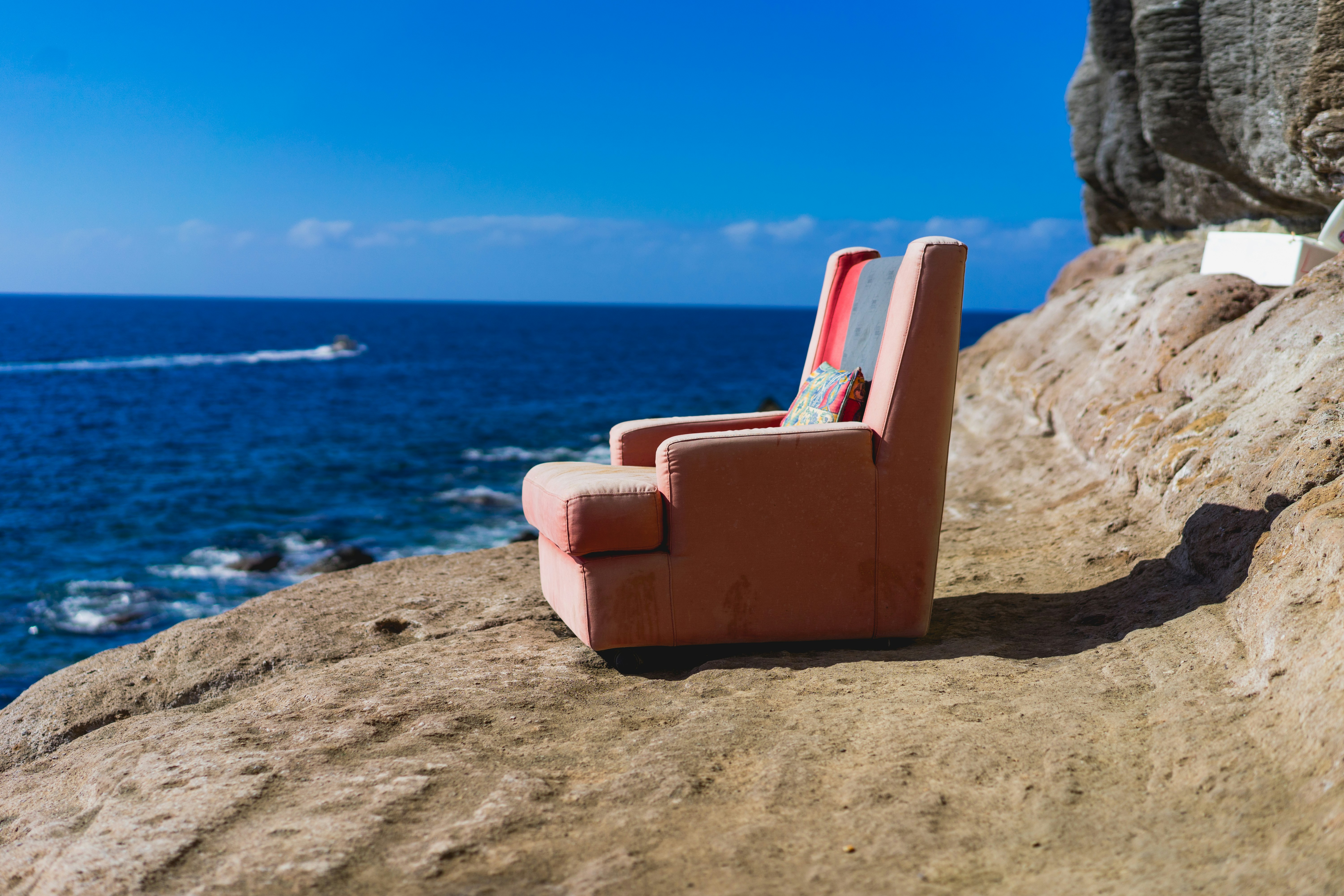
Most travel blogs about India focus on how many places you can cover in a limited time. City after city, monument after monument, photo after photo. But India is not a country that reveals itself in a hurry. The more you rush, the more you miss.
This blog follows a slow travel approach. Instead of asking “How many places can I visit?”, it asks a more meaningful question: How deeply can I experience one place? If you want a more human, peaceful, and memorable way to explore the best places to visit in India, slow travel may completely change how you see the country.
What Is Slow Travel and Why It Works So Well in India
Slow travel is about staying longer, moving less, and connecting more. It values experiences over checklists and moments over milestones.
- Spending more days in one destination
- Using local transport instead of fast flights
- Eating local food and talking to locals
- Choosing homestays over hotels
India is ideal for slow travel because every region has layers of culture, food, language, and daily life that can only be understood with time.
Choosing the Right Places in India for Slow Travel

Not every destination is suitable for slow travel. Busy metro cities often demand movement. Smaller towns, hill regions, and cultural centers allow you to slow down naturally.
Best Slow Travel Destinations in India
- Rishikesh – Yoga, river walks, and long stays
- Hampi – History, cycling, and quiet mornings
- Varkala – Cliff walks, cafés, and sunsets
- Majuli – Island life and simple routines
- Chopta – Nature, silence, and mountain rhythms
These places are not about rushing from attraction to attraction. They are about living a few days like a local.
Slow Travel vs Fast Travel: A Real Comparison
- Fast travel: 3 cities in 5 days, tight schedules, constant packing
- Slow travel: 1 place in 5 days, relaxed pace, deeper memories
Fast travel gives you photos. Slow travel gives you stories.
How Slow Travel Saves Money
Slow travel is often cheaper than fast travel.
- Weekly or monthly stays reduce accommodation cost
- Fewer transport expenses
- Local food costs less than tourist restaurants
- Minimal entry ticket spending
Living the Local Rhythm

When you stay longer, places stop feeling foreign. You recognize faces, understand routines, and begin to feel part of the environment.
- Being invited into local homes
- Participating in festivals naturally
- Learning regional customs
- Feeling temporary belonging
Best Seasons for Slow Travel in India

- Monsoon: Kerala, Coorg, Meghalaya
- Early Winter: Rajasthan towns, Varanasi
- Spring: Uttarakhand villages, Himachal valleys
Slow Travel Itinerary Example
- Arrival and rest
- Local walks and cafés
- Markets and food exploration
- Nature and reflection
- Revisiting favorite spots
Who Should Choose Slow Travel
- Solo travelers
- Remote workers
- Couples seeking peace
- Budget travelers
Frequently Asked Questions (FAQs)
Is slow travel suitable for first-time visitors?
Yes. It reduces stress and allows gradual cultural understanding.
Is slow travel safe in India?
Yes. Familiarity with surroundings increases safety.
Can slow travel work on a low budget?
Absolutely. Long stays and local living reduce costs.
How long should I stay in one place?
Ideally 5–10 days.
Conclusion: Travel Less, Experience More
India rewards patience. Slow travel allows you to experience the soul of the country rather than just its landmarks.
If you want to explore the best places to visit in India in a meaningful way, slow travel is not just an option—it is a mindset.