Taxi Rates and Transport Options for Char Dham
This comprehensive guide explains taxi rates, vehicle choices, booking tips, route-specific transport options, and cost estimates for the Char Dham Yatra in 2026. It is written for Indian pilgrims seeking a balance between comfort, budget, and safety. The guide covers point-to-point fares, package options, public transport alternatives, helicopter services, permits, and sample budgets for popular itineraries.

Why transport planning matters for Char Dham
Char Dham is spread across difficult mountainous terrain. Road quality, altitude changes, and seasonal closures affect travel time and cost. Choosing the right vehicle and booking at the right time can save money and reduce fatigue. Transport planning also affects temple darshan timing, accommodation logistics, and emergency response options.
Primary transport options
- Private taxis / cabs: Popular for door-to-door convenience and flexible schedules.
- Self-drive cars: For experienced mountain drivers who prefer control and privacy.
- Shared taxis / tempo travellers: Cost efficient for small groups but less flexible.
- Tour operator buses: Common for budget pilgrims and group tours, often fixed schedules.
- Helicopter services: Available for Kedarnath and sometimes Badrinath for those prioritising time or with mobility limitations.
- Local taxis and porters: For last-mile access near temples where roads end.
- Trains and buses: To Haridwar or Dehradun, then road transfer to hill destinations.
Common vehicles and typical taxi rates (2026 estimates)
Rates vary with season, fuel prices, demand, and vehicle condition. Below are typical ranges used by many tour operators and local drivers for standard round trip packages starting from Haridwar or Rishikesh. These are approximate and meant for budgeting.
- Swift / Dzire / Sedan (4 seater): Rs. 40 to 60 per km on plains; mountain minimums apply. Typical 8 to 10 day char dham package: Rs. 40,000 to 55,000.
- Innova / SUV (6-7 seater): Rs. 55 to 85 per km. Popular for comfort on mountain roads. 8 to 12 day package: Rs. 60,000 to 90,000.
- Tempo Traveller (12-20 seater): Rs. 9,000 to 15,000 per day depending on season and route. Good for groups; fuel and driver allowances extra.
- Fortuner / High end SUV: Rs. 80 to 120 per km. For those wanting premium comfort and stronger clearance.
- Shared taxi (per seat): Rs. 600 to 1,200 per person for specific legs like Haridwar to Barkot or Haridwar to Joshimath depending on distance.
- Helicopter: Kedarnath shuttle from Phata or Dehradun/Phata to Kedarnath helipad ranges widely. Expect Rs. 6,000 to 12,000 per seat for shuttle segments; chartered helicopters cost much more. Bookings via authorised portals only.
How operators calculate taxi fares
- Per km charge: Base rate multiplied by kilometres travelled. Mountain stretches often have higher per km rates or minimum daily charges.
- Driver allowance: Daily driver allowance for meals and lodging normally Rs. 300 to 700 per day.
- Parking and tolls: Extra and billed separately.
- Return trip inclusion: Many drivers quote round-trip rates which include return to base to avoid empty returns.
- Seasonal surcharges: Peak season (May to June, Sep) often adds 10% to 30% premium.

Route specific notes and transport challenges
Different legs have unique constraints and cost drivers. Below are practical notes for each dham.
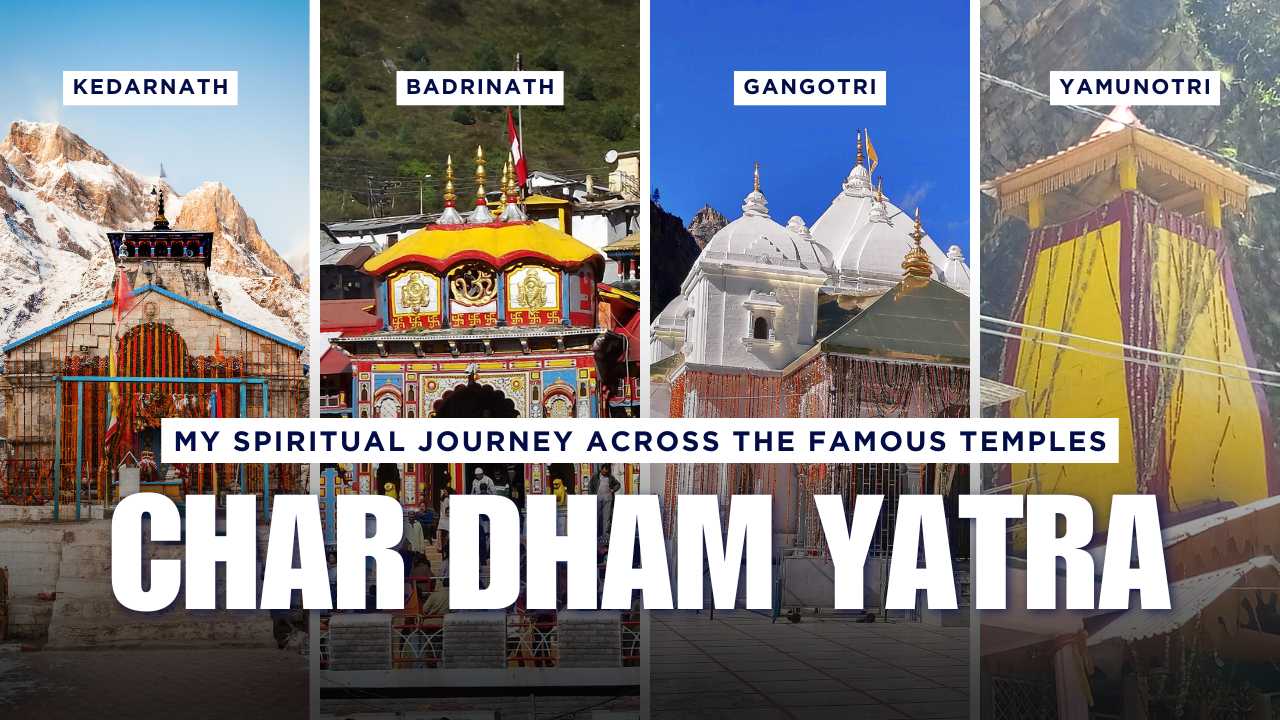
Yamunotri
- Last motorable point is Janki Chatti or Hanuman Chatti depending on chosen route; taxis may charge extra for parking and return shuttle.
- Local taxis or shared jeeps operate from Barkot to Janki Chatti; expect Rs. 800 to 1,500 per vehicle for short legs.
- Pony, palki, or porter services from Janki Chatti to temple are additional.
Gangotri
- Roads to Gangotri are generally motorable till the temple town. Taxi rates depend on Uttarkashi base distance.
- Shared jeeps sometimes operate from Uttarkashi to Gangotri at lower cost for solo travellers.
Kedarnath
- Kedarnath requires a trek of 16 km from Gaurikund. Taxis typically take you to Gaurikund; per vehicle charges vary with pickup/dropoff points.
- Pony and porter rates are fixed locally; helicopter services reduce trekking but add significant cost per seat.
Badrinath
- Joshimath is the nearest major motorable town. Taxi fares include mountain pass travel and often higher night allowances if travelling early or late.
Sample budget calculations
Below are example budgets per person for different comfort levels, assuming a group of 4 sharing an Innova or similar SUV and starting from Haridwar for a 10 day trip covering all four dhams.
- Budget plan (shared tempo or public bus + local taxis): Rs. 8,000 to 12,000 per person excluding accommodation and meals.
- Standard plan (Innova or similar shared by 4): Rs. 15,000 to 25,000 per person including vehicle, driver allowances, and basic parking/toll charges.
- Premium plan (private SUV or Fortuner + helicopter for Kedarnath): Rs. 40,000+ per person depending on helicopter seat cost.
Where to book and how to avoid common pitfalls
- Book early: Vehicles and drivers are in high demand during peak season. Reserve through reputable tour operators or verified aggregator portals.
- Get written confirmation: Ask for a detailed invoice listing km, inclusions, driver allowance, parking, and fuel policy.
- Avoid unauthorized operators: Use reputed agencies or local government approved taxis. For helicopter bookings use official portals only.
- Negotiate rates for round trips: Drivers prefer round trip bookings; negotiate a fair inclusive price to avoid ad hoc charges later.
- Check vehicle fitness: Prefer newer vehicles with good ground clearance in hilly stretches.
For package options and verified tours consider visiting Char Dham packages or view destinations at Uttarakhand destinations.

Helicopter services: when they make sense
Helicopters can save days of trekking and reduce physical strain. Common use cases:
- Senior pilgrims or those with mobility issues.
- If weather windows are tight and darshan timing is critical.
- Medical emergency evacuation.
Heli seats for Kedarnath are limited and sold in slots. Prices depend on origin and season. Verify refund and weather cancellation policies.
Permits, regulations and safety
- Some roads and helipads require permits issued by local authorities; tour operators usually handle these.
- Carry ID proofs and copies for drivers and passengers.
- Always note emergency contact numbers and nearest hospital towns along the route.
Frequently Asked Questions
What is the average taxi fare for a group of four for full Char Dham?
For an Innova or similar SUV on a 10 to 12 day circuit expect Rs. 60,000 to 90,000 total depending on route and season. Per person cost falls with group size.
Can I self drive for Char Dham?
Yes, experienced mountain drivers can self drive. Ensure the vehicle has good clearance, and plan for variable road conditions. Be cautious during monsoon and winter months.
Are helicopter services safe and reliable?
Helicopter services are run by licensed operators. Safety is good but subject to weather cancellations. Book via official portals and confirm refund rules.
How can I reduce taxi costs?
Travel in larger groups to split costs, book shared tempo travellers, travel off-peak, and negotiate all-inclusive round trip rates.
Final tips and checklist
- Confirm driver experience on mountain routes.
- Keep cash for remote areas where digital payments may fail.
- Carry essential spare parts and tyre repair kit for self drive.
- Buy travel insurance covering mountain rescue if you plan trekking or helicopter flights.
- Share your itinerary with family and note local emergency contacts.
Conclusion
Choosing the right transport option for the Char Dham Yatra depends on budget, health, time, and comfort. Taxis and private SUVs provide flexibility; tempo travellers and buses are budget friendly; helicopters are time saving for those who can afford them. Plan and book early for 2026, confirm all inclusions, and prioritise safety over cost. A well planned transport arrangement turns a challenging pilgrimage into a peaceful, fulfilling journey.