Weather Guide for Char Dham Yatra: What to Expect
The Char Dham Yatra is a sacred journey through the Himalaya. Weather shapes every part of the pilgrimage: roads, treks, darshan windows, and the mood of the mountains. This guide explains seasonal patterns, what to expect at each shrine, packing and safety tips, and a day by day weather mindset for Char Dham Yatra 2026. Read carefully, plan contingencies, and travel with respect for mountain conditions.

Quick seasonal overview
Understanding the broad seasons helps with choosing dates and packing.
- Spring (April to early June): Roads clear after winter, cool to mild days, chilly nights, occasional snow at high passes early in the season.
- Monsoon (June to September): Warm days, frequent rains, higher chance of landslides and roadblocks; lower visibility on mountain roads.
- Autumn (October to November): Stable weather windows, scenic clear skies, nights grow cold and early snow may begin at the highest shrines.
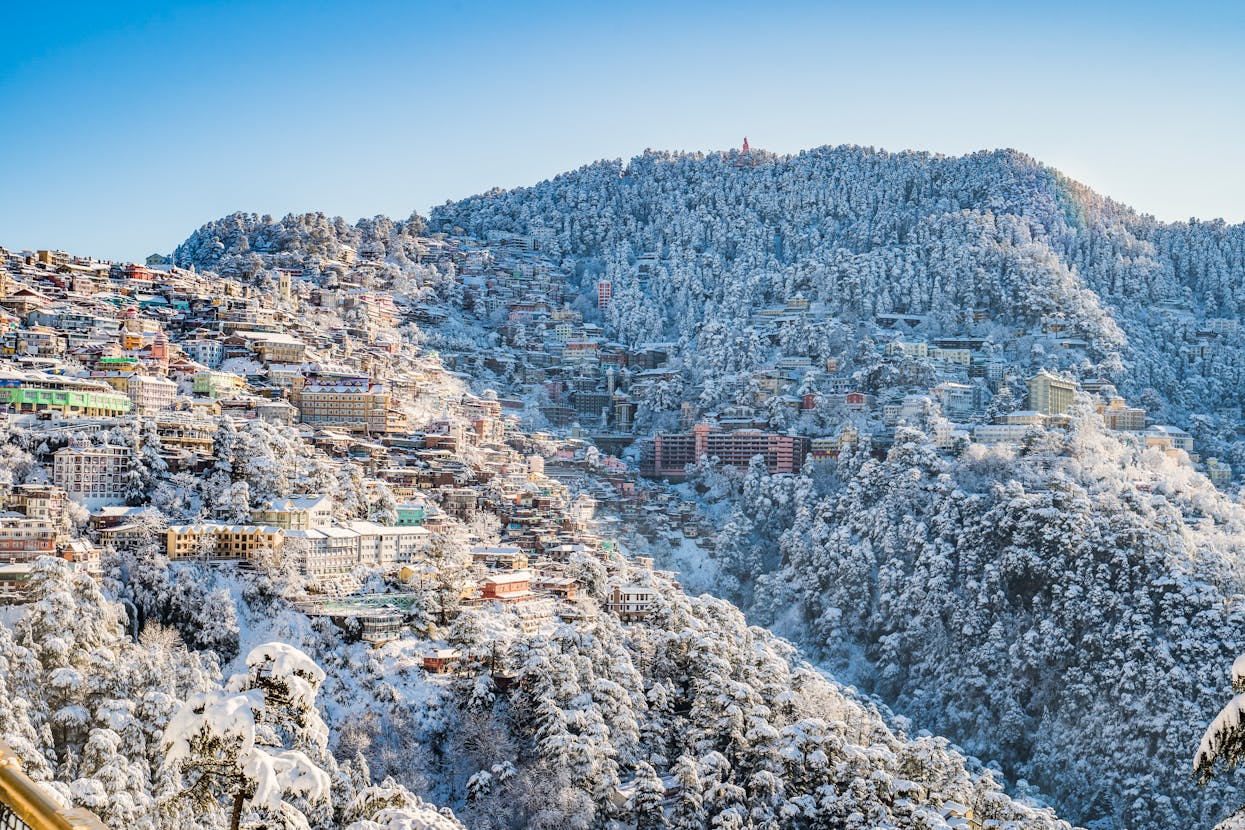
- Winter (December to March): Heavy snow, most routes and temples closed, not recommended for Char Dham.
What the year 2026 means for weather planning
Long term forecasts are not precise, but typical patterns persist. For Char Dham Yatra 2026, assume temple openings in late April to May and closures around October to November. Always confirm official temple opening and closing dates before travel.
Site specific weather expectations
Yamunotri
Altitude and exposure make Yamunotri colder than lower towns. Expect:
- Late April to May: melting snow, wet trails in early season.
- June to September: chance of rain; trail becomes slippery during heavy showers.
- October: cool and crisp mornings; risk of early snowfall by late October.

Gangotri
Gangotri sits at a high altitude with glacier influence. Expect:
- Spring: cold mornings, the river valley warms by midday.
- Monsoon: rain can cause sudden stream swells; avoid risky river crossings.
- Autumn: the clearest window for photography and darshan.
Kedarnath
Kedarnath is high and exposed. Weather can change fast:
- Spring: roads may still have patches of snow; trek routes require caution.
- Monsoon: high chance of rain and landslips; check local advisories.
- Autumn: usually the best time for clear skies and stable conditions.

Badrinath
Badrinath is at high altitude but has better road access. Expect:
- Spring to early summer: pleasant days, cold mornings.
- Monsoon: cloud cover and rain make some roads slow but temple access usually continues.
- Autumn: crisp weather and clear views of surrounding peaks.

Daily weather habits and micro planning
Mountain weather changes hourly. Adopt habits that make your days resilient:
- Start early each day to use clearer morning weather for travel and darshan.
- Check the local forecast each morning and before every long drive.
- Keep a weather app with offline maps and a local operator number handy.
Packing list focused on weather
Pack for layering, rain, wind, and cold nights. Key items:
- Base layers and thermal wear.
- Fleece mid layer and a down or synthetic insulated jacket.
- Lightweight waterproof shell or raincoat with hood.
- Waterproof trekking shoes and gaiters for muddy trails.
- Woolen hat, gloves, and neck gaiter for cold mornings.
- Sun protection: high SPF sunscreen, sunglasses with UV protection.
- Quick dry towel and microfiber poncho for sudden rains.

Safety tips relating to weather
- Avoid travel during heavy monsoon warnings; roadslides are more common in June to September.
- Do not attempt high passes or exposed treks during heavy snowfall or storms.
- Carry a head lamp and extra batteries in case of night delays or power outages.
- Keep emergency warm blankets and a small first aid kit with altitude sickness medication.
Weather and itinerary choices — practical samples
Option 1 — Spring early season (late April to May)
Advantages: Roads open, greener valleys, lower crowds. Cautions: Patches of snow and cold nights. Allow buffer days in case high passes open late.
Option 2 — Monsoon months (June to September)
Advantages: Verdant landscapes and fewer tourists. Cautions: Higher risk of landslides, road delays, and reduced visibility. If traveling in monsoon, prefer experienced drivers and flexible schedules.
Option 3 — Post monsoon and autumn (October)
Advantages: Clear skies and stable weather; excellent for photography and darshan. Cautions: Cold nights and the possibility of early snowfall late in the month. Book early for this popular window.
How to read local reports and advisories
Always check:
- Uttarakhand local administration bulletins for road closures.
- Badrinath-Kedarnath Shrine Board advisories for temple access.
- Trusted local operators and hotel managers for real time on ground updates.
For official updates, save the Uttarakhand tourism page and shrine board links on your phone and print a copy of critical advisories. Example: Uttarakhand Tourism and Badrinath-Kedarnath Shrine Board. For booking help try curated packages at tour packages.
FAQs — Weather and Char Dham Yatra
Q: When is the safest time weather wise to do Char Dham?
A: Post monsoon autumn months (September to early November) are generally the most stable with clear skies. Spring (May to June) is also safe when snow clearance completes. Monsoon carries more risks due to landslides.
Q: Can I do Char Dham during monsoon?
A: It is possible but not recommended for first time pilgrims. If you travel in monsoon, allow extra days, use experienced drivers, and avoid risky stretches after heavy rain.
Q: What if heavy snow or rain delays my plan?
A: Keep buffer days in the itinerary, maintain refundable bookings where possible, and follow local authority instructions. Safety is more important than completing all four shrines in a fixed time.
Q: Do I need special clothing for Kedarnath?
A: Yes. Kedarnath is colder and windier than lower towns. Bring insulated layers, windproof outerwear, and sturdy footwear suitable for rocky or wet trails.
Conclusion
Weather defines the rhythm of Char Dham Yatra 2026. With careful planning, appropriate packing, and respect for mountain advisories, pilgrims can navigate seasonal challenges and experience a safe, meaningful journey. Remember to leave buffer days, check official updates daily, and choose clothing and gear for quick adaptation. May your Char Dham Yatra be protected by good weather and bring lasting peace.